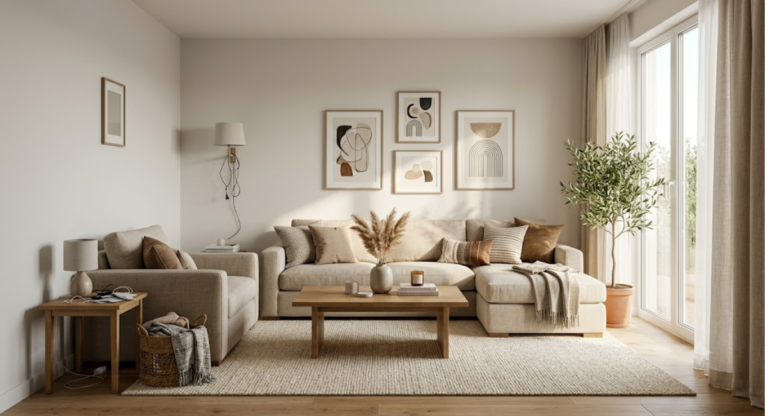
Small Living Room Ideas to Maximize Style and Space
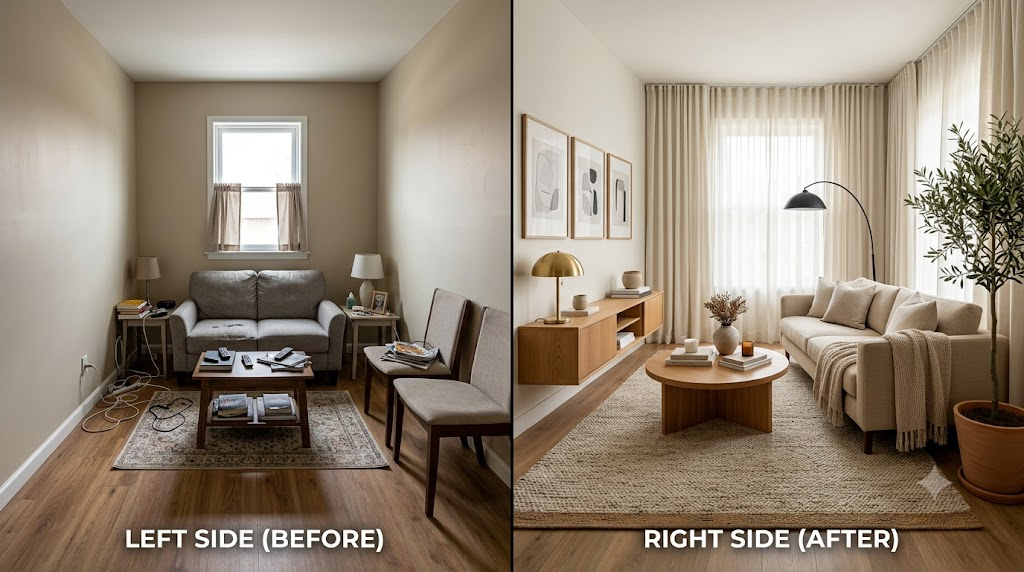
A small living room doesn’t have to feel cramped or limiting. With thoughtful planning and the right decorating techniques, even the most compact living space can become warm, functional, and visually appealing. The secret isn’t having more square footage—it’s making smarter design decisions that improve comfort, enhance style, and maximize every inch of your home.
Many homeowners believe they need to sacrifice comfort or personality when decorating a small living room. In reality, professional designers often see compact spaces as an opportunity to create a cozy home with carefully selected furniture, layered textures, and a well-balanced room layout. Whether you’re decorating an apartment living room, a townhouse, or a small family home, choosing the right furniture and arranging it properly can make a dramatic difference. If you’re redesigning a compact home, these Small Living Room Ideas can help you create a brighter and more inviting interior.
One of the biggest Small Living Room Decorating Mistakes is buying furniture based only on appearance rather than scale and functionality. Oversized pieces can overwhelm a room, while furniture that’s too small often leaves the space looking empty and unfinished. The goal is to achieve visual balance by selecting pieces that complement the room’s size while creating a comfortable seating area for everyday living.
In this guide, you’ll discover practical Small Living Room Ideas that interior designers use to make compact spaces feel brighter, more open, and more inviting. From selecting the perfect sofa to choosing multifunctional living room furniture, these expert recommendations will help you create a modern living room that combines beauty with functionality.
Choose Furniture That Fits Your Space Perfectly: Small Living Room Ideas
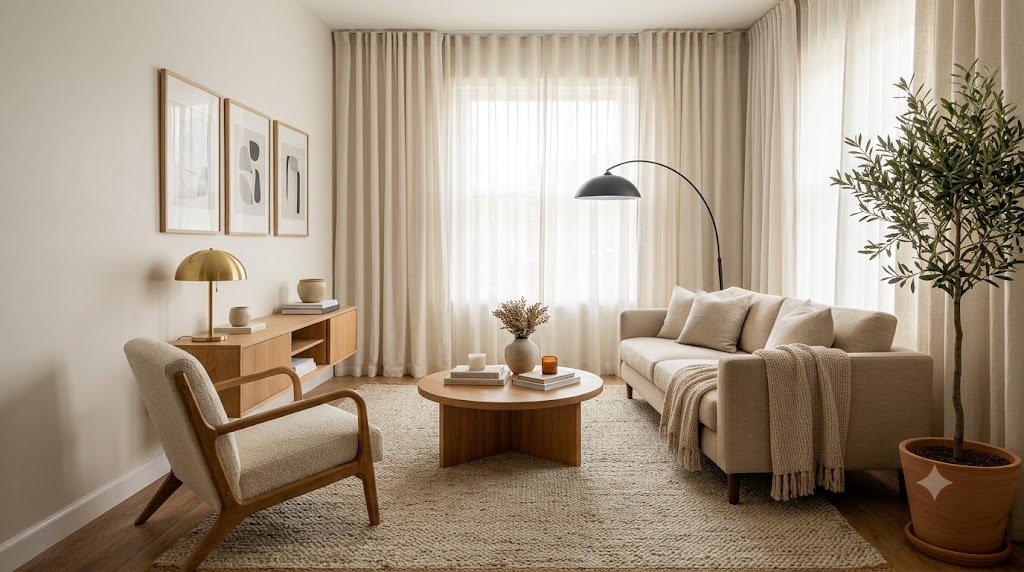
The furniture you choose has the biggest impact on how your living room looks and functions. Every piece should serve a purpose while maintaining proper proportion and allowing enough circulation throughout the room. Instead of filling every corner, focus on selecting high-quality furniture that offers comfort, style, and functionality.
A well-planned furniture arrangement can make a compact living room feel surprisingly spacious. Professional designers recommend measuring your room before shopping and leaving enough walking paths around each piece to maintain good traffic flow. This creates an organized layout that feels comfortable instead of crowded.
Select the Right Sofa Size
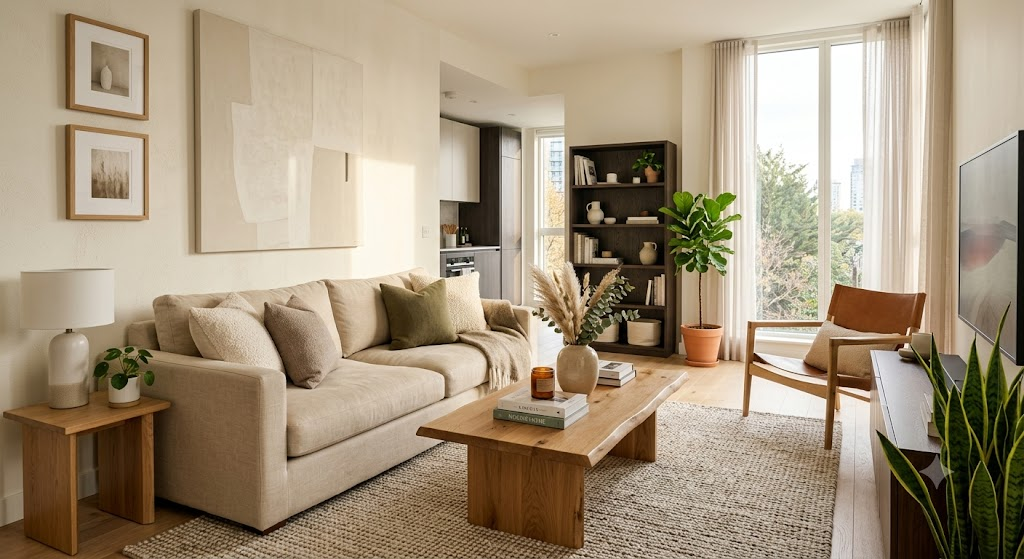
Your sofa is the focal point of the living room, making it one of the most important furniture investments for your small living room. Choosing the wrong size is one of the most common decorating mistakes homeowners make. A sofa that’s too large can dominate the room, while one that’s too small may look out of proportion and fail to provide adequate seating.
Instead of selecting the biggest sofa that fits, choose one that leaves enough breathing room around it. Measure your available floor space carefully and consider how people will move through the room. In many cases, a medium-sized linen sofa paired with an accent chair provides a better balance than an oversized sectional.
Neutral upholstery remains a timeless option because it complements various decorating styles and allows you to refresh the room with colorful throw pillows, blankets, or seasonal accessories. If your goal is to create a cozy living room, focus on comfort first and aesthetics second.
Designer Tips
- Measure your room before buying furniture.
- Leave clear walking paths around the sofa.
- Choose durable upholstery that’s easy to maintain.
- Pair neutral furniture with colorful décor accents.
- Add throw pillows for texture and comfort.
Try Curved Furniture for Better Flow
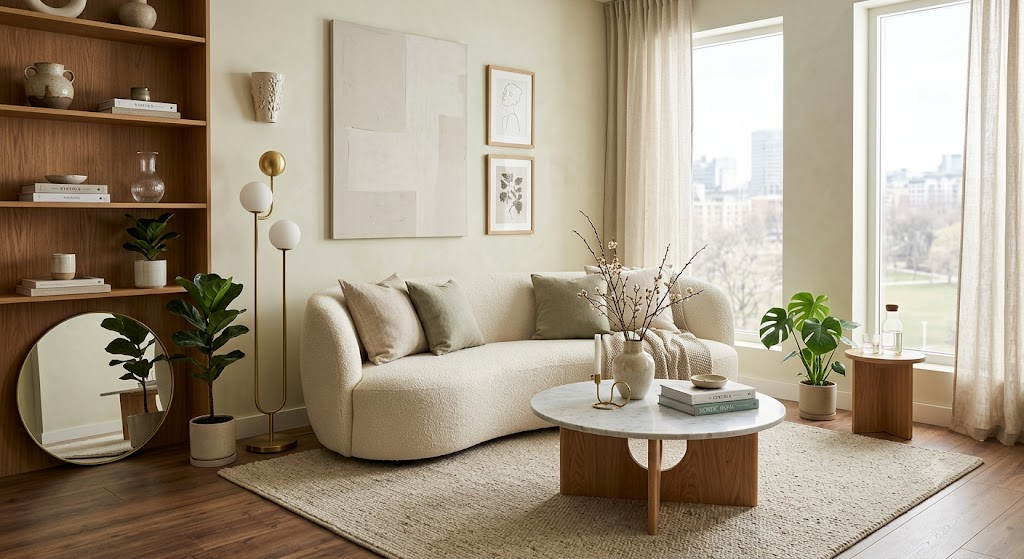
Straight lines and sharp corners can sometimes make a compact room feel rigid. Curved furniture softens the overall appearance while improving movement throughout the space. Rounded coffee tables, curved sofas, and circular side tables naturally guide the eye around the room, creating a smoother sense of flow.
Many designer-approved interiors now feature curved furniture because it introduces visual interest without overwhelming the room. A round coffee table, for example, takes up less visual space than a square one and makes navigating around furniture easier in a compact living room.
Combining curved furniture with layered textures, warm lighting, and natural materials creates a welcoming environment that feels both elegant and functional.
Best Curved Pieces
- Curved sofas
- Round coffee tables
- Oval side tables
- Rounded accent chairs
- Circular mirrors
Invest in a Comfortable Sectional
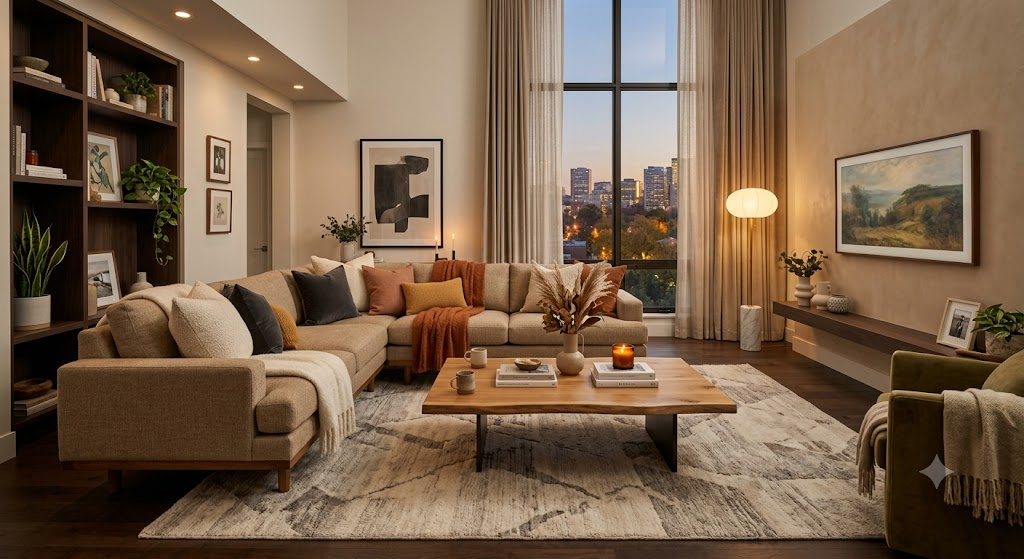
Many homeowners assume sectionals only work in large houses, but that’s not always true. A carefully selected sectional sofa can actually maximize seating while reducing the need for multiple individual chairs.
For families or those who frequently entertain guests, a compact sectional offers flexibility without overcrowding the room. Look for clean lines, raised legs, and light upholstery to keep the design feeling open and airy.
A sectional paired with an oversized rug, a simple coffee table, and soft furnishings creates a conversation area that’s both practical and stylish. Modern sectionals with built-in storage also provide additional functionality for apartment living.
Why Sectionals Work
- More seating with fewer furniture pieces.
- Better conversation layout.
- Great for family movie nights.
- Available with storage options.
- Creates a cozy gathering space.
Use Open-Frame Furniture
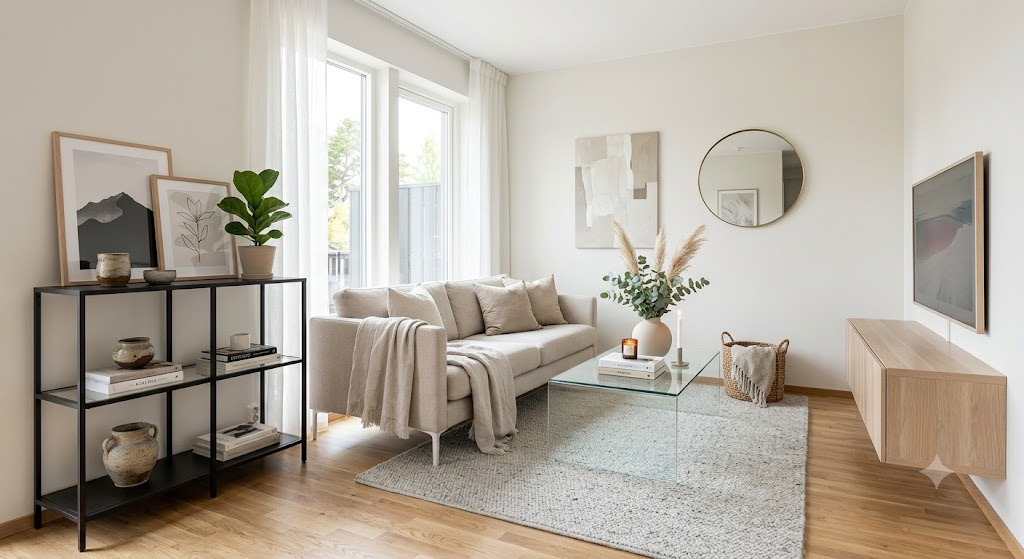
Furniture with exposed legs or open frames allows more light to travel underneath, making the room feel less crowded. Unlike bulky furniture that sits directly on the floor, open-frame designs create an airy appearance and improve the perception of space.
This approach works particularly well in small apartment decorating ideas because every inch of visible flooring contributes to the illusion of a larger room. Glass-top coffee tables, slim console tables, and lightweight bookshelves also help reduce visual weight.
any of the best Small Living Room Ideas recommended by professional designers include open-frame furniture, floating shelves, and built-in storage to maximize functionality without creating unnecessary clutter.
Great Open-Frame Furniture Choices
- Glass coffee tables
- Metal shelving units
- Open-leg sofas
- Slim TV consoles
- Floating media cabinets
Pick Low-Profile Tables
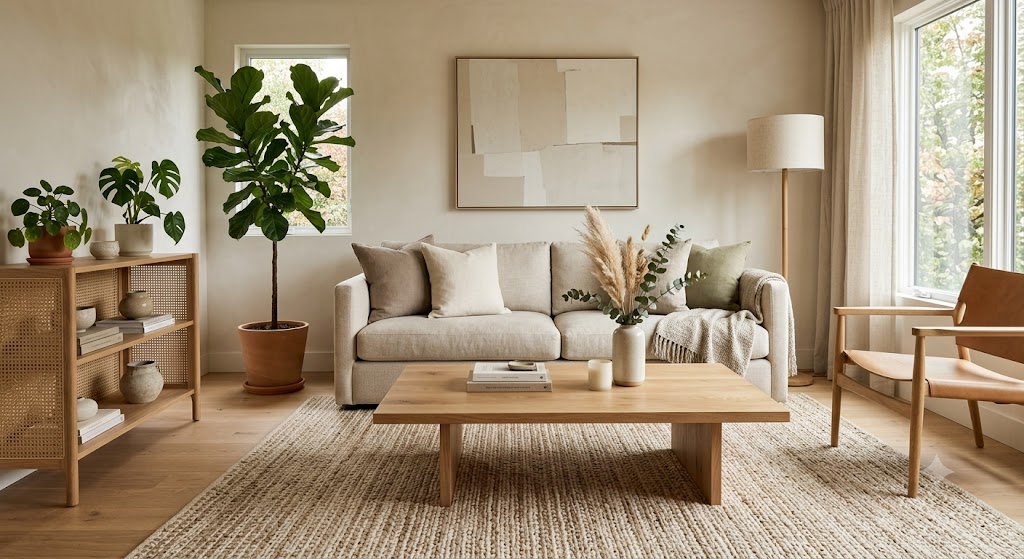
Low-profile furniture helps maintain clear sightlines throughout the room, making ceilings appear higher and the space feel more open. Coffee tables, side tables, and media units with a lower height create better visual proportion, especially in compact interiors.
Choose tables made from natural wood, glass, or mixed materials that complement your overall interior styling. Simple designs with clean lines work particularly well in Scandinavian style, Japandi style, and contemporary interior spaces.
To complete the look, pair a low-profile coffee table with a large area rug, indoor plants, and carefully selected décor accessories. These small details create texture, visual interest, and designer styling without making the room feel cluttered.
Quick Styling Tips
- Choose furniture with visible legs.
- Keep tabletops free of unnecessary clutter.
- Layer decorative books with a small vase.
- Add one statement piece instead of multiple small accessories.
- Balance functionality with minimalist home décor.
Choosing furniture that fits your space perfectly is the foundation of great living room design. By prioritizing proportion, functionality, and comfort, you can transform even the smallest living room into a stylish retreat that feels spacious, inviting, and thoughtfully designed.
Make Your Small Living Room Feel Larger
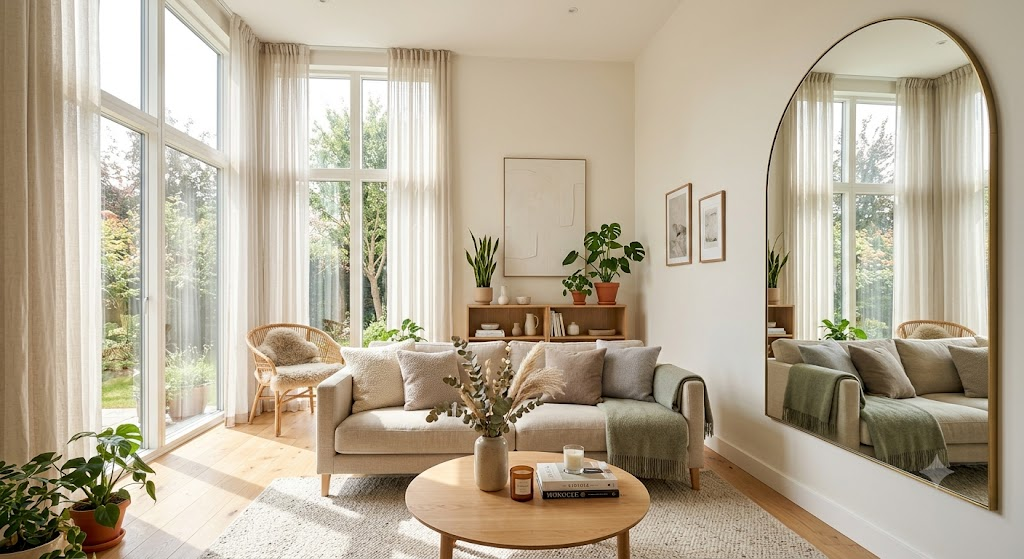
A compact living room doesn’t need expensive renovations to feel bigger. In fact, professional designers often rely on simple visual techniques that create the illusion of extra space without changing the room’s actual size. The right combination of natural light, color selection, mirrors, and clutter-free styling can dramatically transform even the smallest living space into an open, inviting retreat.
Whether you’re decorating a tiny living room, an apartment living room, or updating your family home, these designer-approved Small Living Room Ideas will help you maximize every square foot while maintaining comfort, style, and functionality.
Maximize Natural Light
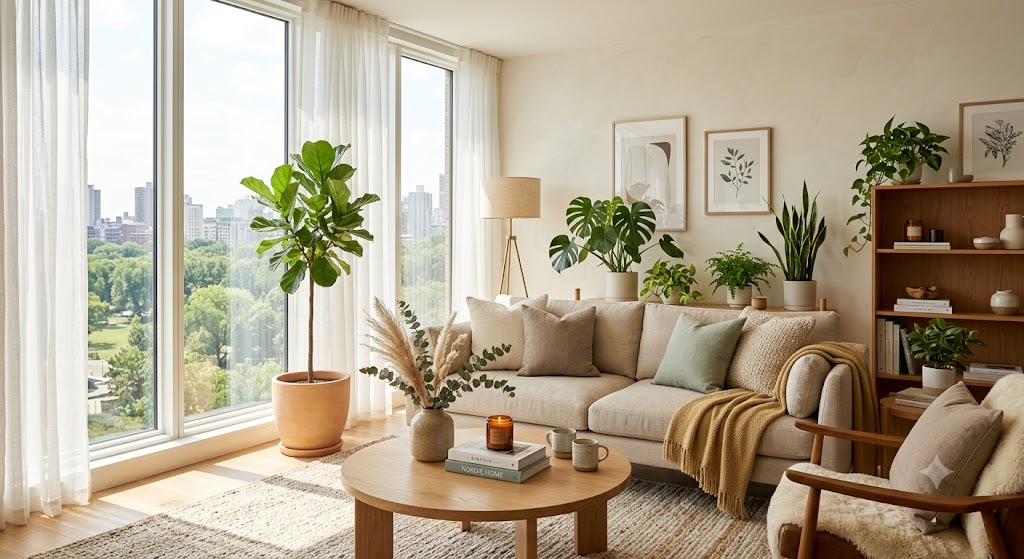
Nothing makes a small living room feel larger faster than natural light. Sunlight instantly brightens the room, highlights textures, and creates the illusion of greater depth. Instead of blocking windows with heavy drapes or oversized furniture, allow daylight to become one of your room’s biggest design features.
Position your living room furniture so it doesn’t obstruct windows. If possible, place a sofa parallel to the window rather than directly in front of it. This keeps the room feeling open while allowing sunlight to spread naturally throughout the space.
Choose sheer curtains or light linen window treatments that filter sunlight without making the room feel enclosed. If privacy is important, layer sheer curtains with floor-to-ceiling curtains in a neutral fabric. Hanging curtains several inches above the window frame also creates the illusion of taller ceilings.
Natural materials such as wood textures, woven baskets, linen fabrics, and indoor plants work beautifully with daylight, creating a warm and welcoming atmosphere that’s perfect for a cozy living room.
Designer Tips
- Keep windows as open as possible.
- Use sheer curtains to maximize daylight.
- Hang curtains close to the ceiling.
- Add mirrors opposite windows to reflect light.
- Avoid placing tall furniture in front of windows.
Use Light and Dark Colors Strategically
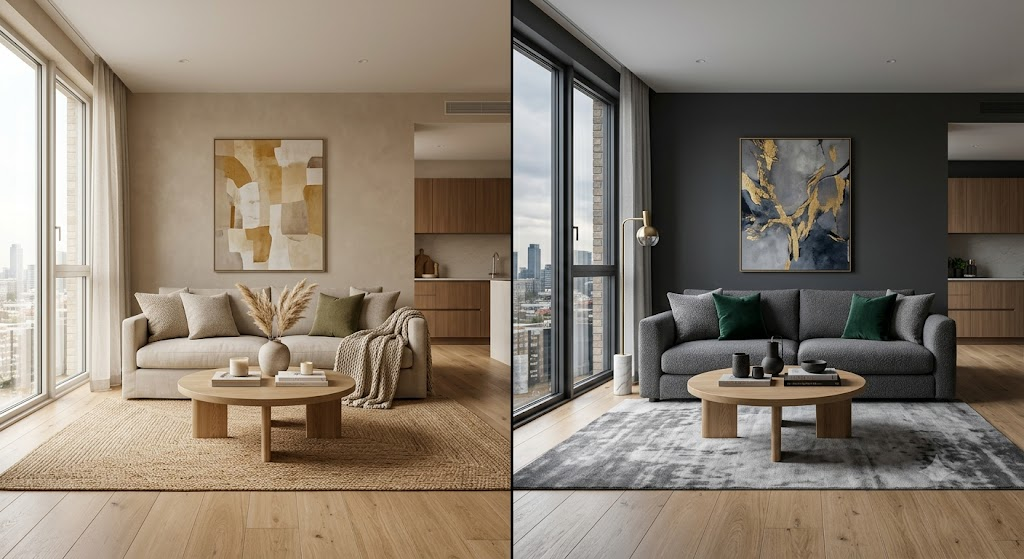
Many homeowners assume an all-white room is the only way to make a compact space feel bigger. While a neutral palette certainly reflects more light, today’s interior designers also use carefully selected dark colors to add depth and sophistication.
Light shades like warm white, ivory, soft gray, beige, and greige remain excellent choices for walls because they visually expand a room. However, introducing a dark color palette through an accent wall, artwork, or furniture creates contrast that makes the room feel more dynamic rather than flat.
One of the most effective Small Living Room Ideas is maintaining visual balance. Pair darker tones with lighter flooring, plenty of natural light, and soft furnishings to keep the space feeling bright and open. A navy feature wall behind a neutral linen sofa or charcoal shelving against white walls can create a dramatic focal point while preserving the airy look of a small living room.
If you’re searching for the best colors for a small living room, consider earthy greens, warm taupes, muted blues, and creamy whites. These colors complement both Scandinavian style and Japandi style, two of today’s most popular interior decorating trends.
Popular Living Room Color Ideas
- Warm White
- Soft Beige
- Light Greige
- Sage Green
- Dusty Blue
- Charcoal Accent Wall
- Warm Taupe
- Soft Olive
These combinations help create a modern living room that’s elegant, timeless, and inviting.
Paint the Ceiling for Extra Height
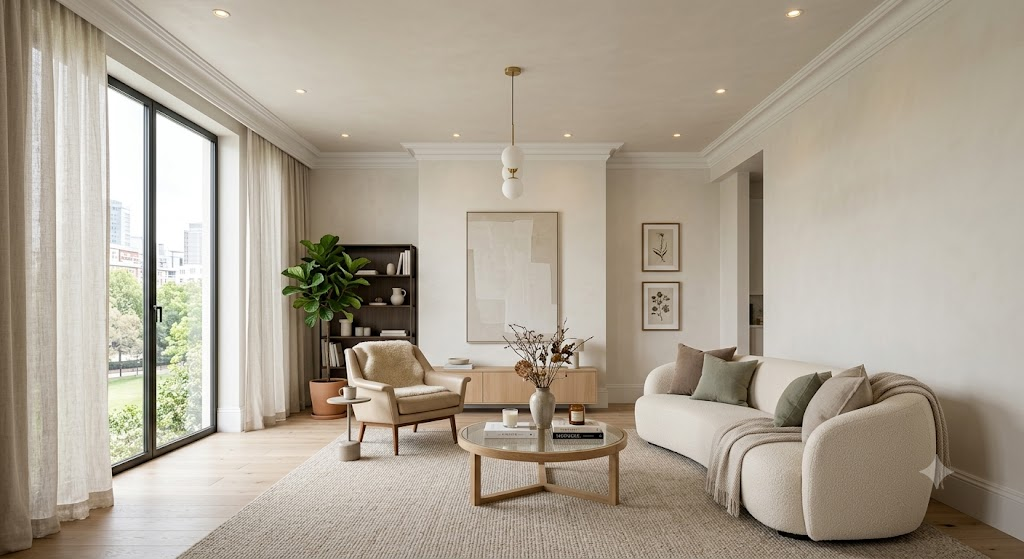
One of the most overlooked interior design tips is using ceiling paint to influence how spacious a room feels. Most homeowners automatically paint ceilings bright white, but a thoughtful ceiling color can completely change the room’s perception.
Painting the ceiling one shade lighter than the walls naturally draws the eye upward, making the walls appear taller. In rooms with plenty of sunlight, a subtle satin finish reflects light beautifully without becoming overly glossy.
Another designer-approved technique is extending the wall color slightly onto the ceiling. This soft transition eliminates harsh visual breaks and creates a smoother sense of height, especially in a compact home design.
Decorative ceiling beams, recessed lighting, or slim pendant fixtures can further emphasize vertical space without overwhelming the room.
Ceiling Design Tips
- Keep ceiling colors light and soft.
- Use recessed lighting whenever possible.
- Avoid oversized chandeliers in compact rooms.
- Install simple crown molding for subtle elegance.
- Choose warm lighting instead of harsh white bulbs.
These small improvements create impressive visual impact while maintaining a clean contemporary interior.
Add Mirrors for Depth
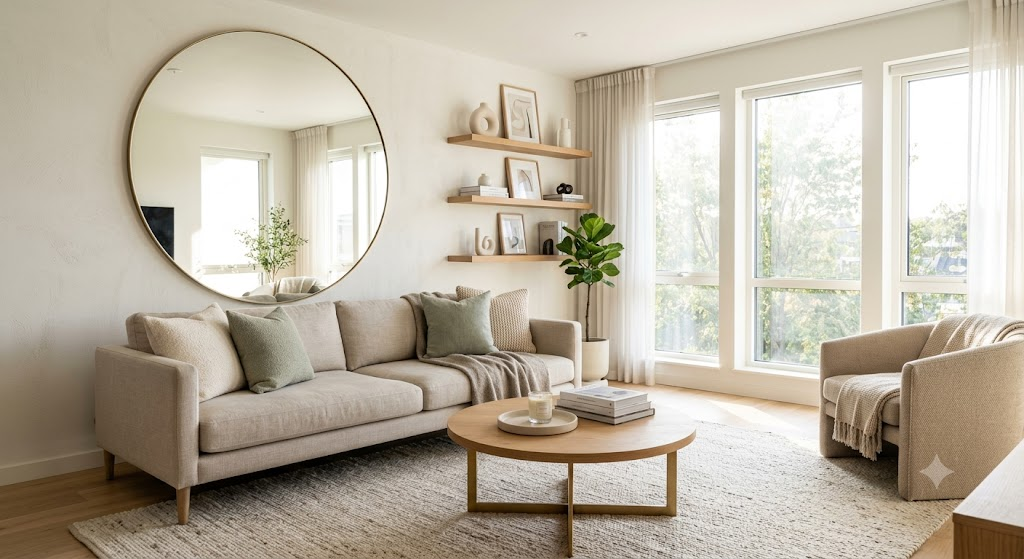
Mirrors remain one of the easiest ways to make a small living room appear larger. By reflecting both natural and artificial light, they create an illusion of additional depth and make the room feel brighter throughout the day.
A large mirror positioned opposite a window doubles the amount of visible light while visually expanding the room. Oversized mirrors also become beautiful statement pieces, adding elegance without taking up valuable floor space.
Instead of several small mirrors, consider one oversized framed mirror or a modern round mirror above the sofa. This creates a clear focal point and prevents unnecessary visual clutter.
Mirrors also pair beautifully with gallery wall arrangements, floating shelves, and decorative wall décor when balanced carefully.
Best Mirror Placement Ideas
- Opposite a window
- Above the sofa
- Behind a coffee table
- Near the dining area
- Beside a reading corner
Using reflective surfaces alongside glass furniture and metallic décor accessories further increases the perception of openness.
Keep Visual Clutter to a Minimum
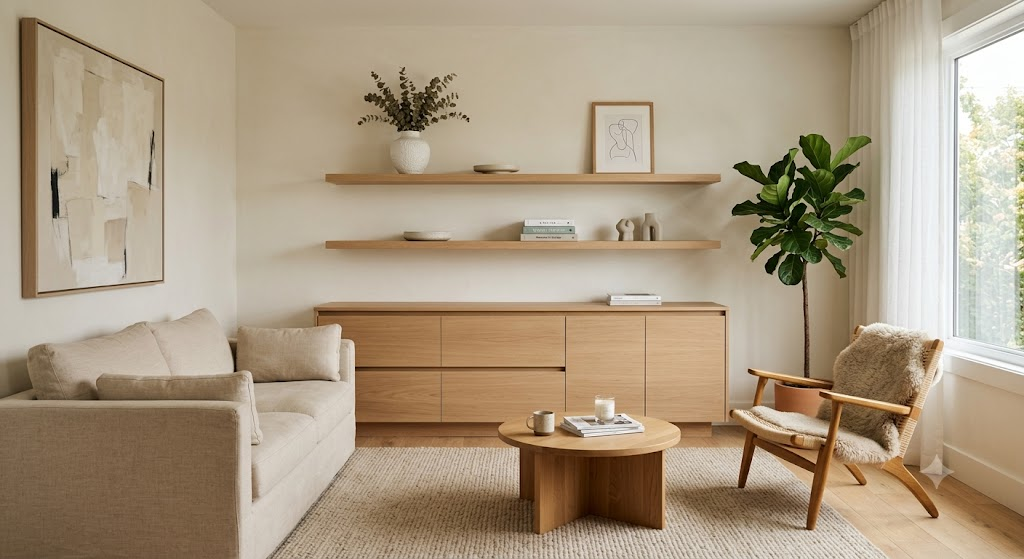
One of the biggest Small Living Room Decorating Mistakes is allowing too many decorative items to compete for attention. While accessories add personality, excessive clutter makes even beautifully designed spaces feel cramped.
Professional designers recommend focusing on quality rather than quantity. Instead of displaying dozens of small décor pieces, choose a few meaningful statement accessories that create visual interest without overwhelming the room.
Hidden storage solutions, floating shelves, and built-in storage help organize everyday items while maintaining a clean appearance. Decorative baskets, multifunctional furniture, and storage ottomans also keep blankets, books, and electronics neatly tucked away.
Maintaining clear walking paths improves circulation and allows every furniture piece to breathe. This simple change instantly makes a room feel larger and more functional.
Easy Ways to Reduce Clutter
- Limit decorative accessories.
- Store everyday items inside cabinets.
- Keep tabletops clean and organized.
- Use multifunctional furniture whenever possible.
- Choose one statement artwork instead of many small frames.
Remember, a beautifully styled room doesn’t require more furniture—it requires smarter choices. Combining organized storage, thoughtful home styling, and balanced furniture placement creates a stylish living room that feels open, comfortable, and luxurious regardless of its size.
By maximizing natural light, selecting colors strategically, enhancing vertical space, incorporating mirrors, and reducing clutter, you can completely transform a compact room into a bright, welcoming environment. These simple yet effective living room decorating ideas prove that making a room feel larger is less about square footage and more about intelligent interior decorating decisions.
Decorate Walls to Add Personality
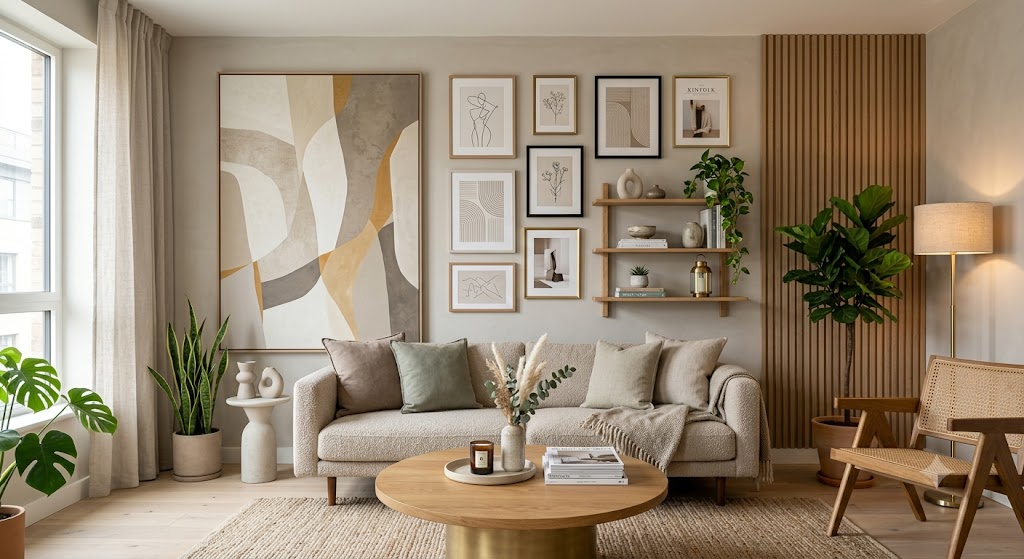
When decorating a small living room, many homeowners focus only on furniture while leaving the walls bare. However, your walls offer valuable design opportunities that can completely transform a compact space. Thoughtfully decorated walls create visual interest, establish a strong focal point, and make the room feel more polished without occupying precious floor space.
One of the best Small Living Room Ideas is to strike the perfect balance between style and simplicity. Instead of overcrowding every wall with decorations, choose a few impactful elements that complement your living room design. Whether your style leans toward Scandinavian style, Japandi style, or a modern living room, the right wall décor adds warmth, personality, and depth while helping a small living room feel more spacious and inviting.
Install a Statement Wall Mural
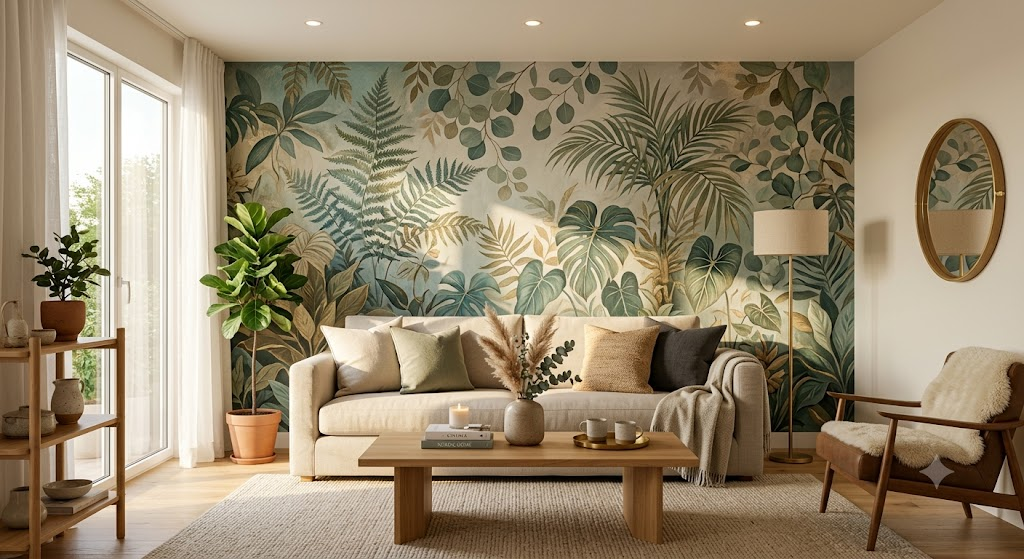
If you want to make a dramatic impact without adding bulky furniture, consider installing a statement wall mural. Murals instantly become the room’s focal point while creating the illusion of greater depth. Nature-inspired landscapes, abstract artwork, textured finishes, and subtle geometric patterns work especially well in compact spaces.
Unlike small decorative pieces, one large mural creates a cleaner and more cohesive appearance. It also eliminates the need for multiple wall accessories that can make a room feel cluttered.
Choose colors that coordinate with your sofa, coffee table, rugs, and window treatments to create harmony throughout the room. Soft earthy tones, muted blues, and botanical designs remain popular choices for today’s interior decorating trends.
Designer Tips
- Choose one feature wall instead of decorating every wall.
- Select murals with depth or perspective.
- Keep surrounding décor simple.
- Coordinate mural colors with furniture.
- Use removable wallpaper for easy updates.
Create a Gallery Wall
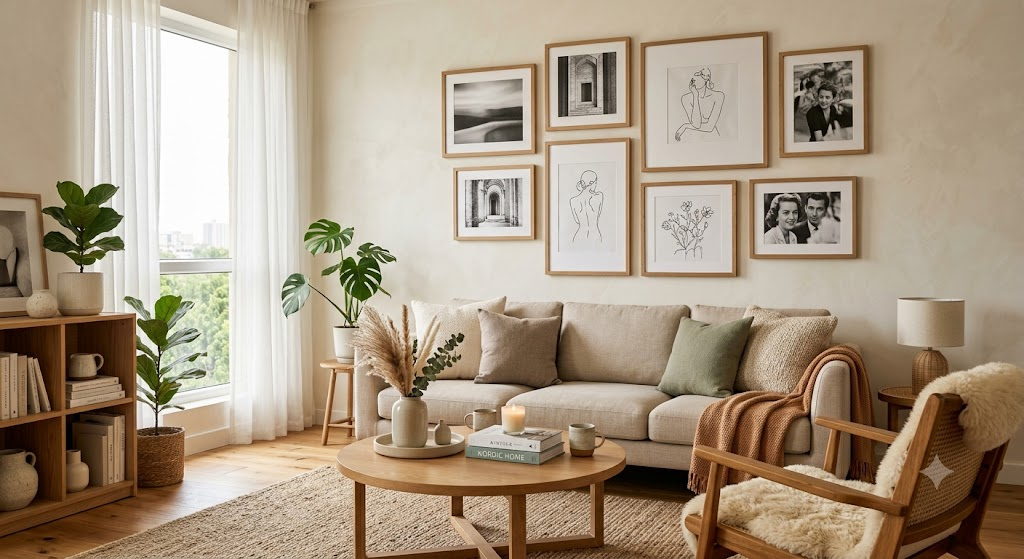
A well-designed gallery wall adds personality while allowing you to showcase artwork, travel memories, family photographs, or modern prints. Rather than randomly hanging frames, create a carefully planned arrangement that feels balanced and intentional.
Mix different frame sizes while maintaining a consistent color palette. Black, oak, or white frames work beautifully in most small living room décor styles. Keeping equal spacing between frames creates symmetry and helps the arrangement look professionally designed.
For a contemporary look, combine framed prints with decorative mirrors, floating shelves, or minimalist wall sculptures. This layered approach adds texture without overwhelming the room.
Gallery Wall Ideas
- Black and white photography
- Botanical artwork
- Abstract paintings
- Family photos
- Travel prints
- Minimalist illustrations
A thoughtfully arranged gallery wall brings personality to your living space while enhancing the room’s overall character.
Hang Shelves Above Windows
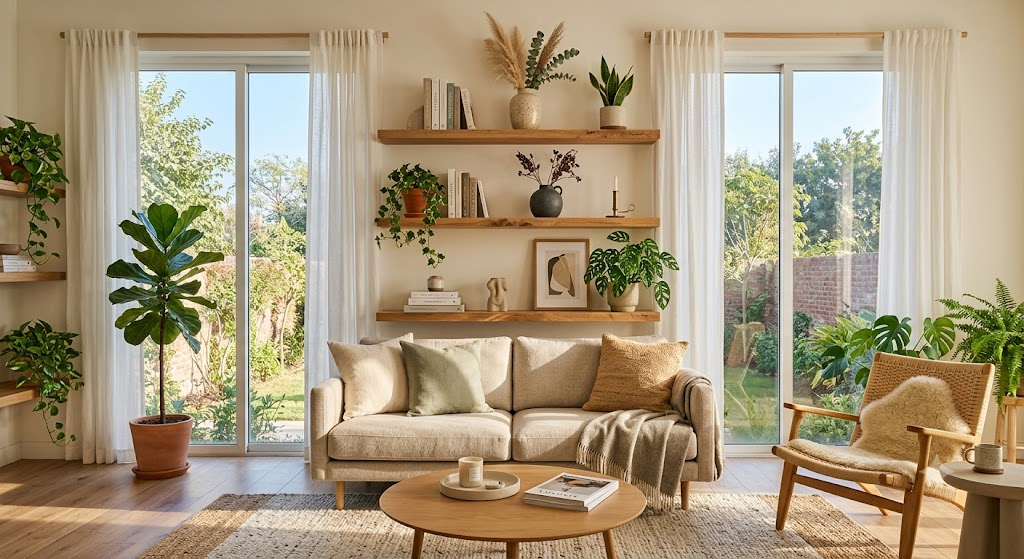
One of the most overlooked storage opportunities in a compact living room is the wall space above the windows. Installing floating shelves in this area draws the eye upward, making ceilings appear taller while adding valuable display and storage space.
Use these shelves to showcase books, decorative baskets, ceramics, framed artwork, or small indoor plants. Keeping decorations light and minimal ensures the room maintains an open feel.
Natural wood shelves blend beautifully with Scandinavian Interior Design, while black metal brackets complement modern industrial interiors. Built-in shelving above windows also works well in small apartment decorating ideas, where every inch of storage matters.
Best Items to Display
- Small indoor plants
- Decorative books
- Ceramic vases
- Framed artwork
- Woven baskets
- Candles
These subtle styling choices improve both organization and overall home décor inspiration.
Display Large Artwork
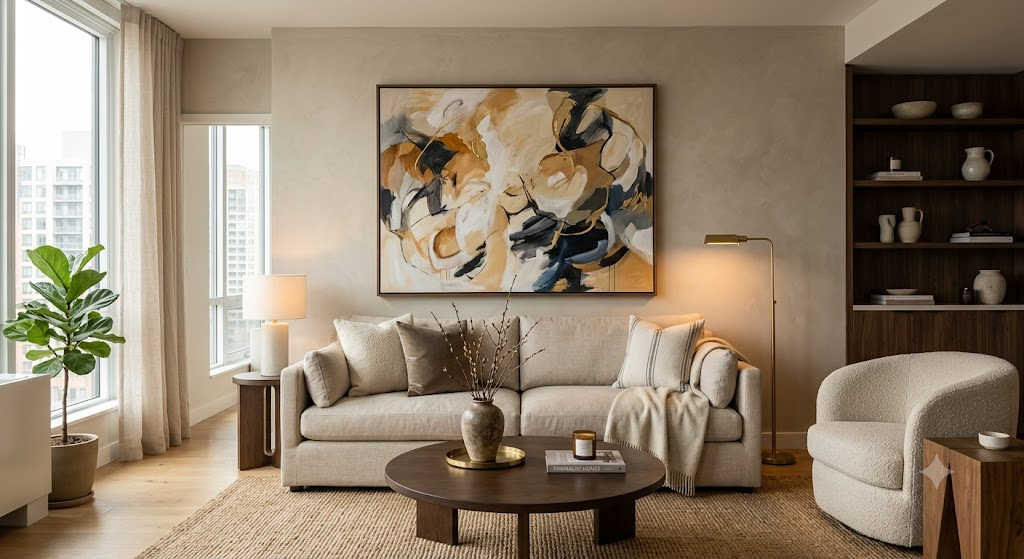
Many homeowners mistakenly believe large artwork only belongs in spacious homes. In reality, oversized art often makes a small living room appear larger because it creates one clear focal point instead of multiple competing elements.
Among the most timeless Small Living Room Ideas is choosing a single oversized painting above the sofa instead of several smaller pieces scattered throughout the room. Large abstract artwork, landscape photography, or textured canvas prints create visual depth, establish a striking focal point, and reinforce your living room’s overall design theme without making the space feel cluttered.
When choosing artwork, consider your room’s color palette. Warm neutrals complement natural wood furniture, while bold artwork pairs beautifully with minimalist interiors and neutral walls.
Artwork Selection Tips
- Hang artwork at eye level.
- Choose one oversized piece instead of several small frames.
- Match artwork with your room’s color palette.
- Leave enough wall space around the frame.
- Use proper lighting to highlight the artwork.
Large artwork adds elegance while maintaining the clean appearance that every stylish living room needs.
Add Decorative Wall Panels
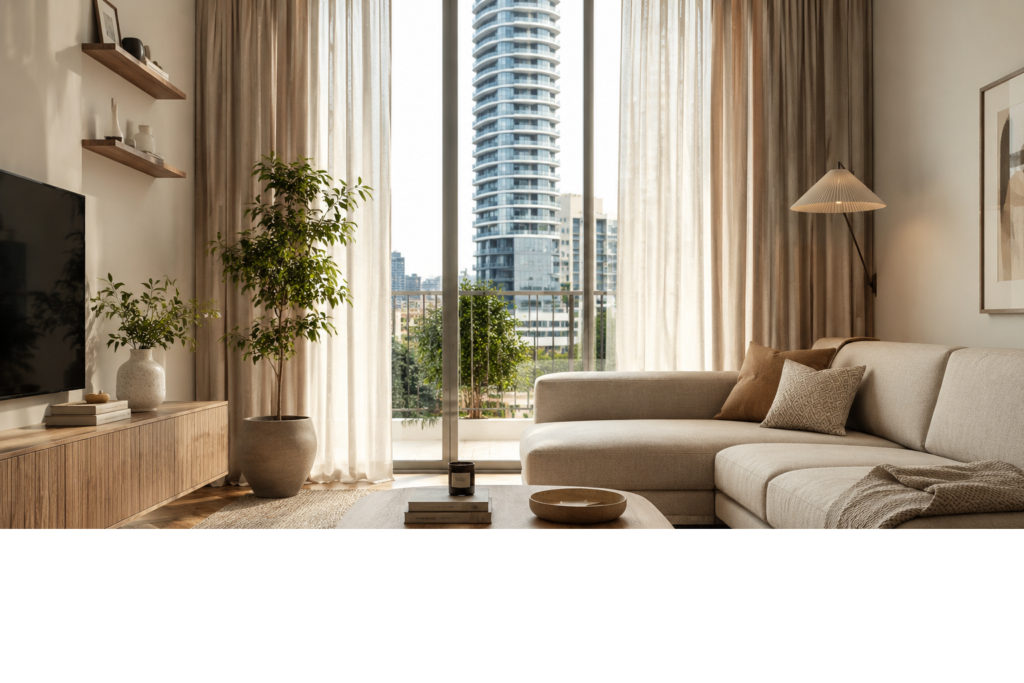
Decorative wall panels are becoming one of the biggest interior decorating trends because they introduce texture, architectural interest, and luxury without requiring expensive renovations.
Wood slats, fluted panels, board-and-batten designs, and geometric molding instantly elevate a room while creating subtle visual rhythm. These treatments work particularly well behind a television, sofa, or fireplace.
Wood textures also pair naturally with linen sofas, indoor plants, and warm lighting, creating a cozy yet sophisticated atmosphere. Whether painted to match the wall or finished in natural oak, decorative panels add timeless appeal.
Popular Wall Panel Styles
- Vertical wood slats
- Board and batten
- Fluted wall panels
- Geometric molding
- Painted feature panels
These designer-inspired details make even a modest apartment feel custom-designed.
Create a Functional Furniture Layout
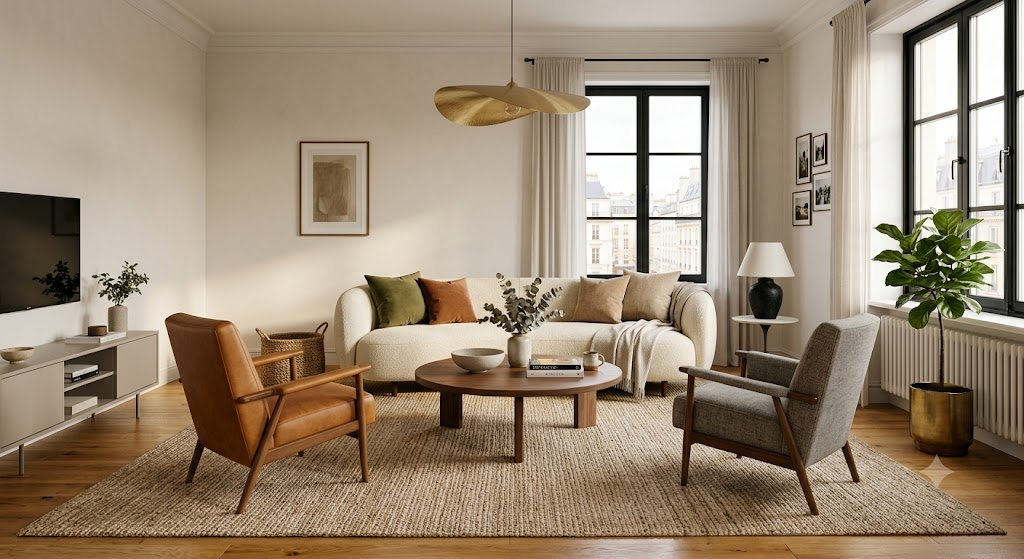
Choosing beautiful furniture is only half the design process. The way you arrange each piece determines how comfortable, spacious, and practical your living room feels. A thoughtful room layout improves traffic flow, enhances conversation, and creates better balance throughout the space.
Professional designers rarely place furniture randomly. Instead, they carefully consider circulation, proportion, and functionality to create layouts that feel both inviting and efficient.
Float Furniture Away From Walls
One of the most common Small Living Room Decorating Mistakes is pushing every furniture piece tightly against the walls. Although many people believe this creates more space, it often has the opposite effect by making the center of the room feel disconnected and awkward.
Instead, try floating your sofa just a few inches away from the wall. Even this small adjustment creates depth and gives the room a more intentional appearance.
If space allows, position your coffee table approximately 16 to 18 inches from the sofa to maintain comfortable movement. Use an oversized rug to visually anchor the seating area and connect every furniture piece.
Floating furniture also works exceptionally well in open concept living room layouts because it naturally defines different functional zones.
Furniture Layout Tips
- Pull the sofa slightly away from the wall.
- Center furniture around an area rug.
- Maintain clear walking paths.
- Balance furniture on both sides of the room.
- Keep frequently used pathways unobstructed.
Design Conversation Areas
A beautiful living room design should encourage people to relax, talk, and spend time together. Rather than arranging every chair toward the television, create seating arrangements that naturally support conversation.
Position a sectional sofa, accent chair, and coffee table so everyone can comfortably see one another. This arrangement makes the room feel welcoming while improving its overall functionality.
If your room is particularly small, choose multifunctional furniture such as nesting tables or storage ottomans that can be moved when additional seating is needed. Add soft furnishings like throw pillows and blankets to increase comfort without adding unnecessary bulk.
Lighting also plays an important role. Combining table lamps, floor lamps, and warm ambient lighting creates an inviting atmosphere that encourages relaxation.
Conversation Area Essentials
- Comfortable sectional sofa or loveseat
- One or two accent chairs
- Central coffee table
- Large area rug
- Soft throw pillows
- Warm lighting
- Decorative indoor plants
A well-planned conversation area transforms your compact room into a welcoming gathering place while proving that thoughtful small living room ideas are often more valuable than simply having extra square footage.
Create a Functional Furniture Layout (Continued)
A well-planned room layout is one of the most important elements of successful small space decorating. Even the most expensive living room furniture can make a room feel cramped if it’s arranged poorly. Interior designers focus on creating a layout that improves movement, encourages conversation, and maintains visual balance without sacrificing comfort.
Instead of filling every corner with furniture, think about how people move through the room every day. Every piece should have a purpose while contributing to a functional and inviting living space.
Keep Walkways Open
One of the easiest ways to make a small living room feel larger is by keeping walking paths clear. When furniture blocks the natural flow of movement, the room immediately feels crowded and uncomfortable.
Professional designers recommend leaving at least 24 to 30 inches of space for primary walkways whenever possible. This allows family members and guests to move comfortably without squeezing between furniture.
Avoid placing side tables, oversized ottomans, or decorative baskets in high-traffic areas. Instead, position them along the edges of the seating arrangement where they remain useful without interrupting circulation.
If you’re decorating an apartment living room, multifunctional furniture can help maintain open pathways while maximizing storage.
Designer Tips
- Keep major walkways free of obstacles.
- Avoid oversized furniture in narrow spaces.
- Use nesting tables instead of bulky side tables.
- Choose compact storage solutions.
- Arrange furniture according to daily traffic flow.
Maintaining open circulation instantly makes a room feel more spacious and welcoming.
Balance Furniture Proportions
One of the biggest Small Living Room Decorating Mistakes is combining furniture pieces that don’t relate to one another in size. A large sectional paired with a tiny coffee table or oversized chairs beside a small sofa creates poor proportion and visual imbalance.
Every furniture piece should feel connected in both scale and style. Rather than purchasing complete matching furniture sets, mix complementary pieces that create harmony while adding personality.
A linen sofa, slim accent chairs, and a medium-sized coffee table often create a much better balance than bulky furniture collections. Using furniture with exposed legs also helps maintain an open appearance because more of the floor remains visible.
When choosing accessories, remember that less is often more. A few carefully selected statement pieces provide greater impact than numerous small decorations competing for attention.
Ways to Create Better Balance
- Match furniture according to room size.
- Combine different heights for visual interest.
- Leave enough negative space around larger pieces.
- Avoid overcrowding one side of the room.
- Maintain symmetry where possible.
Achieving the right scale, proportion, and balance is essential for creating a polished modern living room.
Define Zones With Rugs
Even in a compact room, rugs help establish different functional areas without using physical dividers. A properly sized large area rug anchors the seating arrangement, making the entire layout feel more intentional.
One of the most common decorating mistakes is choosing a rug that’s too small. Ideally, the front legs of your sofa and chairs should sit on the rug. This visually connects the furniture while making the room appear larger.
Layering rugs can also introduce texture and warmth. For example, placing a neutral woven rug beneath a patterned area rug creates additional depth while complementing your overall living room design.
Natural fiber rugs made from wool or jute work beautifully with Scandinavian style, while soft geometric rugs suit contemporary interiors.
Rug Placement Tips
- Choose the largest rug your space allows.
- Keep furniture connected to the rug.
- Use rugs to define conversation areas.
- Select colors that complement your décor.
- Layer rugs for additional texture.
If you’re researching the best rugs for small living rooms, prioritize quality, proportion, and durability over complicated patterns.
Add Texture and Color for a Cozy Look
Creating a beautiful room isn’t only about furniture placement. Texture, color, and carefully selected accessories transform a simple room into a warm and inviting cozy living room.
The best Small Living Room Ideas focus on maximizing storage, improving natural light, and selecting furniture that fits the available space.
Professional designers rarely rely on one material alone. Instead, they combine different fabrics, wood textures, natural materials, and decorative accents to create a layered interior that feels comfortable and sophisticated.
Layer Different Fabrics
Layering fabrics is one of the simplest ways to make a small living room feel luxurious. Soft textiles introduce warmth while preventing the room from feeling flat or overly minimal.
Combine velvet cushions with linen upholstery, chunky knit blankets, woven baskets, and textured rugs to create richness without clutter. Different materials interact beautifully with natural light, making the room feel dynamic throughout the day.
Stick to a cohesive color palette while varying the textures. This keeps the design elegant rather than overwhelming.
Best Fabric Combinations
- Linen and cotton
- Velvet and wool
- Leather and woven fabrics
- Bouclé and natural fibers
- Knit blankets with textured cushions
These combinations create layered textures that add comfort and visual depth.
Mix Patterns Confidently
Many homeowners avoid patterns because they fear making a compact room feel busy. However, when used correctly, patterns actually create movement and personality.
The key is maintaining consistency in color. For example, combine striped cushions, floral artwork, and geometric rugs using similar shades of beige, gray, olive, or navy.
Limit bold patterns to a few statement pieces while allowing neutral furniture to balance the overall design. This creates contrast without sacrificing harmony.
Easy Pattern Mixing Ideas
- Stripes with florals
- Geometric rugs with solid sofas
- Botanical prints with textured cushions
- Abstract artwork with woven accessories
This approach works beautifully in both minimalist living room designs and maximalist décor styles.
Introduce Warm Wood Elements
Natural wood instantly makes any room feel warmer and more welcoming. Whether through a wooden coffee table, floating shelves, side tables, or decorative bowls, wood introduces organic texture that softens modern interiors.
Oak, walnut, ash, and light pine remain among the most popular choices because they complement both neutral and bold color palettes.
Combining natural wood furniture with white walls, soft furnishings, and indoor greenery creates timeless appeal inspired by Scandinavian Interior Design and Japandi Style.
Popular Wood Accents
- Oak coffee tables
- Wooden side tables
- Floating shelves
- Decorative trays
- Wood-framed mirrors
Natural materials add authenticity while maintaining a clean and elegant aesthetic.
Decorate With Indoor Plants
Indoor plants are more than decorative accessories—they bring life, freshness, and natural color into your home. They soften furniture lines, improve visual balance, and strengthen the connection between indoor and outdoor spaces.
Tall plants like fiddle leaf figs or olive trees create vertical interest, while smaller plants such as pothos, snake plants, and peace lilies work perfectly on shelves or side tables.
If you’re decorating a tiny living room, limit yourself to a few healthy plants rather than filling every corner. This keeps the room feeling fresh instead of overcrowded.
Best Indoor Plants for Small Living Rooms
- Snake Plant
- ZZ Plant
- Pothos
- Peace Lily
- Rubber Plant
- Fiddle Leaf Fig
- Olive Tree
Greenery complements every decorating style while adding softness and warmth.
Add Decorative Accessories
Accessories are the finishing touch that transforms a functional room into a personal retreat. However, one of the most common Small Living Room Decorating Mistakes is displaying too many decorative items.
Instead of covering every surface, select a few meaningful decor accessories that reflect your personality. A sculptural vase, scented candle, stack of coffee table books, or handcrafted ceramic bowl can make a stronger impression than dozens of unrelated items.
Lighting also functions as décor. Stylish table lamps, floor lamps, and warm LED lighting create atmosphere while highlighting architectural details and statement artwork.
Designer Styling Tips
- Decorate in groups of three.
- Vary object heights for visual rhythm.
- Leave empty space around accessories.
- Mix glass, ceramic, and wood textures.
- Refresh seasonal décor instead of replacing everything.
Thoughtfully selected accessories complete your home decorating project while preserving the clean, organized appearance that every stylish living room deserves.
By combining functional furniture placement with layered textures, warm colors, natural materials, and carefully chosen décor, you can transform any compact room into a welcoming retreat. These designer tips for small living rooms prove that comfort, elegance, and practicality can coexist beautifully—regardless of your home’s size.
Use Smart Storage Solutions
Storage is one of the biggest challenges in a small living room, but it doesn’t have to come at the expense of style. Smart storage solutions allow you to keep everyday essentials organized while maintaining a clean, open, and inviting atmosphere. Instead of filling your living space with bulky cabinets or unnecessary furniture, choose storage options that blend seamlessly with your living room design.
Professional designers believe that every piece of furniture should serve more than one purpose in a compact room. By combining hidden storage, multifunctional furniture, and creative wall organization, you can reduce clutter while making your home feel significantly larger.
Whether you’re decorating an apartment living room or updating a compact family home, these storage ideas will help maximize every inch without compromising your personal style.
Hidden Storage Furniture
One of the smartest investments for small space decorating is furniture with concealed storage. Hidden compartments allow you to organize everyday items such as blankets, books, remote controls, toys, and electronics while keeping surfaces neat and clutter-free.
Instead of adding extra cabinets, choose furniture that quietly incorporates storage into its design. A storage coffee table, bench, or side table can provide valuable space without making the room feel crowded.
Hidden storage also helps maintain visual balance, which is essential for creating a stylish and organized modern living room.
Best Hidden Storage Furniture
- Storage coffee tables
- Lift-top coffee tables
- Storage benches
- Side tables with drawers
- TV consoles with concealed cabinets
- Hidden storage sofas
Designer Tips
- Store seasonal décor inside hidden compartments.
- Keep daily essentials within easy reach.
- Avoid overfilling storage furniture.
- Choose pieces that match your existing décor.
- Prioritize quality over quantity.
Keeping everyday items out of sight instantly creates a cleaner, more relaxing environment.
Floating Shelves
When floor space is limited, look upward. Floating shelves are one of the easiest ways to add storage without taking up valuable square footage.
Unlike traditional bookcases, floating shelves create an airy appearance because they don’t touch the floor. They work beautifully above sofas, televisions, reading corners, and even windows.
Use them to display decorative books, indoor plants, framed artwork, candles, or ceramic accessories. Mixing practical storage with decorative styling creates both function and personality.
Natural wood floating shelves pair beautifully with Scandinavian style, while sleek white or black shelves complement a contemporary interior.
Styling Ideas
- Stack coffee table books horizontally.
- Add small indoor plants.
- Display decorative ceramics.
- Mix artwork with woven baskets.
- Leave empty space between accessories.
A carefully styled shelf creates visual interest without making the room feel overcrowded.
Built-in Cabinets
If you’re planning a renovation or custom upgrade, built-in storage is one of the best long-term investments for a compact home.
Built-in cabinets make use of awkward corners, unused wall space, and recessed areas while maintaining a seamless appearance. Unlike freestanding furniture, they blend into the architecture, making the room feel larger and more organized.
Custom cabinets around a television or fireplace provide storage for electronics, books, decorative accessories, and family items while eliminating unnecessary clutter.
Painting built-ins the same color as the surrounding walls creates a cohesive look that enhances the sense of space.
Benefits of Built-in Cabinets
- Maximizes unused wall space.
- Creates a custom designer look.
- Keeps clutter hidden.
- Improves room organization.
- Increases property value.
For homeowners searching for small living room storage ideas, built-in cabinets offer one of the most practical and elegant solutions.
Storage Ottomans
Few furniture pieces are as versatile as a storage ottoman. It functions as extra seating, a footrest, a coffee table, and hidden storage—all in one compact design.
Storage ottomans are ideal for keeping blankets, children’s toys, magazines, or gaming accessories neatly organized while remaining easily accessible.
Round ottomans soften the room’s appearance, while square models provide additional tabletop functionality when paired with a decorative tray.
Choose upholstery that complements your sofa and living room furniture to create a cohesive, designer-inspired look.
Why Designers Love Storage Ottomans
- Hidden storage.
- Extra seating.
- Comfortable footrest.
- Space-saving design.
- Easy to move around.
It’s one of the best examples of functional furniture for modern homes.
Multi-Purpose Furniture
One of the most effective designer tips for small living rooms is choosing furniture that performs multiple functions. Every piece should contribute to both comfort and practicality.
Modern multifunctional furniture allows homeowners to maximize limited space without sacrificing style. Nesting tables, expandable consoles, sleeper sofas, and modular seating all provide flexibility for everyday living.
If you frequently entertain guests, consider furniture that can easily adapt to different situations. Foldable side tables or modular seating arrangements offer convenience while maintaining an uncluttered appearance.
Best Multi-Purpose Furniture
- Nesting tables
- Sleeper sofas
- Modular seating
- Foldable side tables
- Lift-top coffee tables
- Expandable console tables
These versatile solutions help create a cozy living room that’s both functional and beautiful.
Style Your Windows Like a Designer
Windows play a much bigger role than simply bringing in sunlight. They influence how spacious, bright, and inviting your living room feels.
Professional designers use window treatments to enhance natural light, create the illusion of height, and add softness to the room. Choosing the right curtains, shades, and fabrics can dramatically improve your overall interior styling.
Floor-to-Ceiling Curtains
One of the oldest yet most effective designer tricks is installing floor-to-ceiling curtains.
Rather than hanging curtains directly above the window frame, mount the curtain rod several inches below the ceiling. This simple adjustment naturally draws the eye upward, making ceilings appear taller and the room feel significantly larger.
Choose light fabrics such as linen or cotton in neutral shades for a timeless appearance. If your room receives plenty of sunlight, soft beige, ivory, or warm white curtains create an elegant and airy atmosphere.
Curtain Styling Tips
- Hang curtains as high as possible.
- Let curtains gently touch the floor.
- Extend curtain rods beyond the window frame.
- Choose full-length panels.
- Keep colors soft and neutral.
This approach instantly enhances both depth and proportion.
Roman Shades
Roman shades offer a clean, tailored appearance that works especially well in compact spaces. Unlike heavy curtains, they sit close to the window, allowing more visible wall space and creating a streamlined look.
Fabric Roman shades soften the room while still providing excellent privacy and light control.
Choose textured linen, woven fabrics, or subtle patterns that coordinate with your overall color palette. Roman shades pair beautifully with both minimalist living room designs and Japandi Style interiors.
Best Roman Shade Colors
- Warm White
- Ivory
- Light Gray
- Beige
- Soft Taupe
- Sage Green
These timeless colors complement nearly every decorating style.
Sheer Drapes
If maximizing natural light is your priority, sheer drapes are one of the best window treatment options.
Lightweight fabrics allow sunlight to filter into the room while maintaining privacy during the day. The soft movement of sheer curtains also adds elegance and warmth to the space.
Pair sheer drapes with natural wood furniture, large artwork, and indoor plants for a fresh, relaxing atmosphere.
Benefits of Sheer Curtains
- Brightens the room.
- Softens natural light.
- Creates an airy feeling.
- Adds elegant texture.
- Makes windows appear larger.
They’re particularly effective in apartment living rooms with limited natural light.
Layer Window Treatments
Professional designers rarely rely on a single window covering. Instead, they combine different layers to improve functionality and create a luxurious appearance.
For example, pair sheer curtains with heavier linen drapes or Roman shades. During the day, the sheer layer allows natural light to brighten the room, while the outer curtains provide privacy and insulation in the evening.
Layered window treatments also introduce additional texture, softness, and sophistication, helping create a more inviting cozy home.
Designer Layering Tips
- Combine sheer curtains with linen drapes.
- Match curtain colors with your wall palette.
- Use matte hardware for a modern look.
- Keep fabrics flowing and lightweight.
- Coordinate window treatments with rugs and cushions.
Smart storage and thoughtfully styled windows work together to transform even the smallest living room into an organized, elegant, and welcoming retreat. By incorporating space-saving furniture, floating shelves, built-in storage, and professionally styled window treatments, you’ll create a home that feels brighter, larger, and effortlessly sophisticated while avoiding common Small Living Room Decorating Mistakes.
Design Around Comfort Instead of Size
When decorating a small living room, it’s easy to focus entirely on maximizing space. However, professional designers agree that comfort should always come first. A beautifully decorated room loses its appeal if it isn’t comfortable enough for everyday living. Instead of filling your living space with furniture that looks impressive but feels impractical, create a room that supports your daily lifestyle.
The most successful small living room ideas combine functionality, comfort, and style. Whether you’re decorating a family home or an apartment living room, every design choice should make the space feel warm, inviting, and easy to use.
Prioritize Everyday Living
Many homeowners arrange their living room around occasional guests instead of the people who use it every day. While it’s nice to have extra seating for visitors, your room should first meet your own needs.
Start by thinking about how you actually use the space. Do you enjoy reading, watching movies, working from home, or spending time with family? Your living room furniture should support these daily activities rather than simply filling empty corners.
Instead of purchasing multiple decorative chairs that rarely get used, invest in fewer, higher-quality pieces that provide lasting comfort.
Everyday Living Tips
- Design around your daily routine.
- Leave room for easy movement.
- Keep frequently used items nearby.
- Avoid unnecessary furniture.
- Choose practical over trendy.
A room designed for everyday life naturally becomes more relaxing and functional.
Choose Cozy Seating
Comfortable seating is the heart of every cozy living room. Whether you choose a sectional sofa, loveseat, or compact sofa with an accent chair, prioritize quality cushions and supportive seating.
Soft upholstery like linen, cotton, or performance fabric provides both comfort and durability. Pair your sofa with a comfortable reading chair to create a relaxing corner for quiet evenings.
Adding an oversized area rug, soft cushions, and layered textiles further enhances comfort while creating a warm atmosphere.
Best Seating Choices
- Sectional sofas
- Compact loveseats
- Accent chairs
- Swivel chairs
- Storage benches
The goal is to create seating that feels welcoming without overwhelming your small living room.
Add Throw Blankets
One of the easiest ways to make a room feel more inviting is by incorporating soft furnishings. Throw blankets not only add warmth but also introduce layered textures, color, and personality.
Drape a knit blanket casually over your sofa or accent chair for a relaxed, designer-inspired appearance. Mixing different textures—such as linen cushions with chunky knit throws—creates depth without adding clutter.
Seasonal blankets also allow you to refresh your décor throughout the year without purchasing new furniture.
Designer Styling Ideas
- Fold blankets neatly over sofa arms.
- Layer different fabric textures.
- Coordinate colors with cushions.
- Store extras inside a storage ottoman.
- Use natural fibers whenever possible.
Use Soft Lighting
Lighting dramatically influences how spacious and comfortable a room feels. Instead of relying on one bright ceiling fixture, professional designers layer multiple light sources to create a warm, welcoming environment.
Combine floor lamps, table lamps, wall sconces, and warm LED bulbs to create balanced illumination throughout the room.
Warm lighting enhances wood textures, indoor plants, and decorative accessories while making the room feel more intimate during the evening.
Lighting Tips
- Choose warm white LED bulbs.
- Layer different light sources.
- Add dimmers whenever possible.
- Highlight artwork with accent lighting.
- Avoid harsh blue-toned lighting.
Good lighting instantly elevates your living room design while improving both comfort and functionality.
Small Living Room Design Styles to Try
Choosing a consistent design style helps every furniture piece and decorative accessory work together harmoniously. Rather than mixing too many unrelated trends, select one overall theme and personalize it with your favorite colors and accessories.
Scandinavian Style
Scandinavian style remains one of the most popular choices for compact homes because it focuses on simplicity, functionality, and natural beauty.
Key Features:
- Neutral colors
- Natural wood furniture
- Minimal décor
- Large windows
- Cozy textiles
- Functional furniture
This timeless style makes any small living room feel brighter and more spacious.
Japandi Style
Japandi Style combines Japanese minimalism with Scandinavian comfort, creating interiors that feel calm, elegant, and uncluttered.
Characteristics include:
- Soft neutral palette
- Handmade ceramics
- Natural materials
- Clean lines
- Low-profile furniture
- Warm wood finishes
It’s ideal for homeowners seeking peaceful, clutter-free interiors.
Modern Minimalist
A minimalist living room emphasizes quality over quantity. Instead of filling the room with decorative objects, focus on essential furniture and carefully selected statement pieces.
Choose simple furniture, clean architectural lines, and hidden storage to maintain an organized appearance.
Remember that minimalism doesn’t mean empty—it means intentional.
Contemporary Style
A contemporary interior blends modern materials with timeless comfort.
Popular features include:
- Mixed materials
- Glass coffee tables
- Neutral walls
- Black accents
- Large artwork
- Statement lighting
This flexible style works beautifully in apartments as well as family homes.
Cozy Organic Modern
Organic Modern is one of today’s fastest-growing interior decorating trends because it balances luxury with nature.
Think:
- Linen sofas
- Natural wood furniture
- Stone accessories
- Indoor plants
- Soft lighting
- Earth-tone colors
The result is a sophisticated yet welcoming home full of warmth and texture.
Expert Tips for Decorating Small Living Rooms
Professional designers consistently rely on a few proven strategies to maximize both style and functionality.
Designer-Approved Tips
- Measure your room before purchasing furniture.
- Select one focal point for the room.
- Use mirrors to increase visual depth.
- Choose the largest area rug your space allows.
- Layer lighting instead of relying on one fixture.
- Keep walkways open to improve traffic flow.
- Add floating shelves instead of bulky bookcases.
- Mix textures to create visual interest.
- Incorporate multifunctional furniture whenever possible.
- Add indoor plants to soften the space.
- Limit decorative accessories to avoid clutter.
- Use floor-to-ceiling curtains to create the illusion of higher ceilings.
These Small Living Room Ideas prove that even compact spaces can feel stylish and functional with the right design choices.
Following these expert recommendations can dramatically improve both the appearance and functionality of your home.
Common Small Living Room Decorating Mistakes to Avoid
Even beautifully furnished rooms can feel cramped if common decorating mistakes aren’t addressed. Fortunately, avoiding these problems is often easier than purchasing new furniture.
1. Choosing Furniture That’s Too Large
Oversized sofas and bulky cabinets overwhelm compact spaces. Always consider scale and proportion before buying furniture.
2. Buying Furniture That’s Too Small
Furniture that’s too small creates an unfinished appearance and disrupts visual balance.
3. Blocking Natural Light
Heavy curtains and oversized furniture placed in front of windows reduce brightness and make rooms feel smaller.
4. Ignoring Vertical Space
Take advantage of wall height by adding floating shelves, artwork, and tall bookcases.
5. Choosing the Wrong Rug Size
Small rugs visually shrink the room. A larger rug helps connect furniture while creating a more cohesive layout.
6. Pushing Every Piece Against the Wall
Floating furniture often improves traffic flow and creates a more natural conversation area.
7. Overdecorating
Too many accessories create unnecessary visual clutter. Choose a few meaningful statement pieces instead.
8. Forgetting Storage
Lack of organization quickly makes a room feel crowded. Incorporate built-in storage, storage ottomans, and hidden compartments whenever possible.
Final Thoughts
Designing a small living room can feel challenging, but avoiding Small Living Room Decorating Mistakes is often the fastest way to create a beautiful and functional space. Whether you are updating an apartment, condo, or cozy home, smart choices in living room layout ideas, best furniture for small living rooms, space-saving living room furniture, living room color ideas, and small living room storage ideas can dramatically improve comfort and style. This guide shares practical designer-inspired solutions that maximize every inch, reduce clutter, enhance visual balance, and help your compact space feel brighter, larger, welcoming, effortlessly elegant every day without expensive renovations or complicated remodeling. Start transforming your living room today.
FAQs
1. What are the most common Small Living Room Decorating Mistakes?
Some of the most common Small Living Room Decorating Mistakes include choosing furniture that’s too large or too small, pushing all furniture against the walls, using a tiny area rug, blocking natural light, overcrowding the room with décor, and ignoring vertical storage. Avoiding these mistakes helps create a more open, functional, and stylish living room.
2. How can I make my small living room look bigger?
To make a small living room look bigger, maximize natural light, use mirrors to reflect light, choose a light color palette, hang floor-to-ceiling curtains, use appropriately sized furniture, and keep clutter to a minimum. A well-planned furniture layout also creates the illusion of a larger space.
3. What type of furniture works best for a small living room?
The best furniture for small living rooms includes compact sofas, sectional sofas with storage, nesting tables, storage ottomans, floating shelves, and multifunctional furniture. Pieces with exposed legs also help create a more open and airy appearance.
4. Should furniture be placed against the walls in a small living room?
Not always. Interior designers often recommend floating the sofa a few inches away from the wall to improve visual balance and create better traffic flow. This designer-approved layout usually makes the room feel more spacious.
5. What colors make a small living room feel larger?
Soft neutrals like warm white, beige, light gray, greige, and sage green are excellent choices for making a room feel larger. You can also use darker accent colors strategically to add depth without making the space feel smaller.