Decorating a Small Home
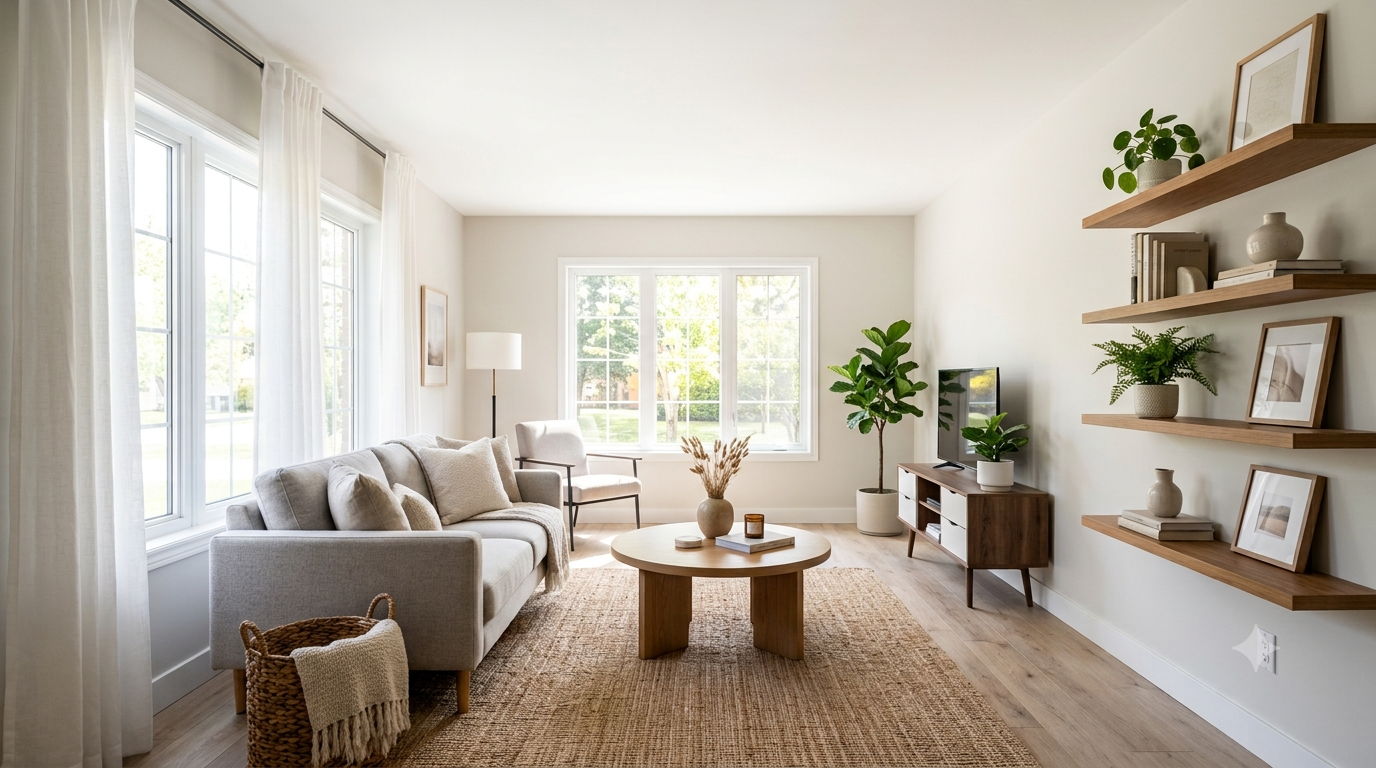
Creating a beautiful home doesn’t depend on square footage; it depends on avoiding Small Space Decorating Mistakes. Many homeowners unknowingly make common small space decorating mistakes that leave rooms feeling cramped and cluttered. Whether you’re searching for how to decorate a small room or practical space planning strategies, smart choices can completely transform your home. From selecting the best furniture for small spaces to using light paint colors effectively, every decision matters. This guide shares practical tips that maximize comfort, improve functionality, and help every room feel brighter, larger, more organized without sacrificing style or personality, making every inch work harder every single day with confidence and lasting visual appeal.
Why Small Space Decorating Requires a Different Approach
Decorating a spacious home and styling a compact one are two completely different challenges. In a smaller home, every design decision has a greater impact on comfort, storage, and appearance. Instead of filling every available corner, the goal is to create a balanced layout that feels open, organized, and functional. Understanding how visual elements work together is the first step toward avoiding common decorating mistakes.
Understanding Visual Space
Visual space is the feeling of openness a room creates, regardless of its actual size. A room doesn’t need extra square footage to feel larger—it simply needs a layout that allows the eye to move freely throughout the space.
When furniture is arranged thoughtfully, it creates better design balance and improves the overall room layout. Leaving some visible floor space between furniture pieces helps reduce visual heaviness and makes the room feel less crowded. This concept, often called negative space, is one of the most valuable principles in interior styling.
Natural light also plays a significant role. Sunlight brightens walls, highlights architectural details, and creates depth that makes compact rooms appear more spacious. Pairing light colors with an uncluttered arrangement allows your home to feel airy rather than confined.
Before adding more décor, consider whether each piece contributes to the room’s purpose. Sometimes removing one unnecessary item creates a bigger impact than purchasing a new one.
Function vs Style
Beautiful interiors are inspiring, but in a smaller home, practicality should always work alongside style. A room that looks attractive but lacks storage or flexibility quickly becomes frustrating to live in.
Choosing multifunctional furniture is one of the smartest ways to maximize limited square footage. A storage ottoman can serve as seating, a coffee table, and hidden storage all at once. Similarly, extendable dining tables, sofa beds, and lift-top coffee tables offer multiple functions without taking up additional room.
Good furniture layout is equally important. Placing furniture where it supports daily movement creates a more comfortable living environment while reducing unnecessary obstacles. Combining smart storage solutions with effective home organization helps eliminate clutter and supports a more efficient compact living lifestyle.
Rather than filling your home with decorative pieces that serve only one purpose, prioritize furniture that combines beauty with everyday functionality.
Common Challenges in Small Homes
Every compact home presents unique design challenges, but many homeowners encounter the same obstacles regardless of the layout. Limited storage often leads to cluttered surfaces, while oversized furniture can make even well-designed rooms feel restricted.
People living in apartment living spaces frequently struggle to balance storage, comfort, and style within a limited footprint. Bedrooms may lack closet space, living rooms often need to serve multiple purposes, and kitchens usually have fewer cabinets than desired.
Another common issue is ignoring decluttering. Even beautiful décor loses its appeal when every shelf, countertop, and table is filled with accessories. Adopting a minimalist decor approach doesn’t mean your home has to look empty—it simply means every item should have a purpose.
Finally, many homeowners overlook how lighting and color affect the atmosphere. Choosing the wrong paint colors or blocking natural light can make small apartment decor feel much tighter than necessary. Thoughtful home styling focuses on creating harmony between furniture, lighting, storage, and color rather than relying on decoration alone.
Choosing Furniture That’s Too Large
One of the biggest Small Space Decorating Mistakes is selecting furniture based solely on appearance instead of proportion. A sofa or dining table may fit inside a room, but if it dominates the layout, it immediately reduces comfort and visual openness. Choosing furniture that matches the scale of the room is essential for creating a balanced interior.
Why Oversized Furniture Shrinks a Room
Large furniture naturally attracts attention, but in compact interiors, it often creates the opposite effect homeowners want. An oversized furniture arrangement limits movement, blocks natural pathways, and reduces the amount of visible floor space, making the room appear smaller.
A bulky sofa with thick arms, oversized recliners, or a massive coffee table can overwhelm a compact living room. These pieces leave little breathing room and interrupt the natural flow between seating areas. They also throw off room proportions, making surrounding furniture appear crowded.
Another factor is furniture scale. When one item is significantly larger than everything else, it dominates the entire room instead of complementing it. Maintaining consistent proportions creates a calmer, more cohesive design that feels spacious rather than cramped.
Better Furniture Proportions
Instead of choosing the largest furniture available, look for pieces designed specifically for smaller interiors. Furniture with slim arms, open frames, and raised legs allows more light and floor to remain visible, creating a lighter appearance.
Glass coffee tables, narrow consoles, and streamlined seating are excellent compact furniture ideas because they occupy less visual weight without sacrificing function. Paying attention to scale and proportion ensures each piece fits comfortably within the available room dimensions while supporting your overall design goals.
When shopping for small home ideas, always measure your room before making a purchase. Even a few inches can dramatically improve movement and comfort.
Best Alternatives
Fortunately, maximizing a small room doesn’t require sacrificing style. Many modern furniture designs combine elegance with practicality.
Consider replacing a full-size sofa with a loveseat, using nesting tables instead of one oversized coffee table, or choosing a round table to improve traffic flow. Storage ottomans provide hidden storage while doubling as seating, and wall-mounted desks free valuable floor area for everyday movement.
These space saving ideas allow you to create a functional home without overcrowding it. Investing in storage furniture and other functional furniture pieces is one of the easiest ways to achieve modern small apartment ideas while still decorating on a budget.
Choosing furniture that fits your room—not just your style—is one of the simplest ways to avoid Small Space Decorating Mistakes and create a home that feels brighter, larger, and more comfortable every day.
Filling Every Corner with Furniture
Many homeowners assume that adding more furniture will make a small home more practical. In reality, filling every available corner is one of the most common Small Space Decorating Mistakes. While it may seem like you’re maximizing your square footage, overcrowding often makes a room feel smaller, darker, and more difficult to navigate. Creating a balanced layout with intentional empty areas allows your home to feel more open while still providing the functionality you need.
The Importance of Negative Space
Negative space refers to the empty areas between furniture and décor. Although these spaces may appear unused, they play a critical role in creating a comfortable and visually balanced interior.
When every wall is lined with cabinets or every corner holds another piece of furniture, the eye has nowhere to rest. Leaving open areas around seating, walkways, and decorative pieces improves visual space and enhances the overall design balance of the room.
Instead of trying to decorate every inch, focus on quality over quantity. A thoughtfully styled room with a few well-chosen pieces often feels far more inviting than one filled with unnecessary furniture and accessories. This simple design principle is one of the easiest ways to avoid common small space decorating mistakes while achieving a clean and elegant interior design.
How Much Furniture Is Enough
A common question homeowners ask is how much furniture a small room actually needs. The answer depends on your lifestyle, but every piece should serve a clear purpose.
Before bringing in another chair, side table, or cabinet, ask yourself whether it adds function or simply occupies valuable floor space. Prioritizing essentials helps create a more organized furniture layout while reducing unnecessary clutter.
For example, a compact living room may only need a sofa, one accent chair, a coffee table, and a media console. Adding multiple side tables or oversized shelving units can quickly overwhelm the room. Choosing best furniture for small spaces means selecting pieces that fit comfortably without restricting movement.
Remember, an open area isn’t wasted space—it’s what allows your room to breathe and feel larger.
Creating Better Room Flow
Good room flow means moving comfortably through your home without constantly walking around obstacles. Unfortunately, poor layouts are one of the biggest decorating mistakes people make in compact homes.
Arrange furniture so there is a clear path between entryways, seating areas, and frequently used spaces. Avoid blocking windows, doorways, or natural walking routes with bulky furniture.
Floating certain furniture pieces slightly away from the walls can also improve room flow, especially in square-shaped rooms. Combined with thoughtful space planning, this approach creates a layout that feels more natural and functional.
If your goal is to maximize small spaces, remember that easier movement often makes a room feel larger than adding extra furniture ever could.
Ignoring Multifunctional Furniture
Every piece of furniture should work harder in a compact home. One of the smartest ways to improve small apartment decor is by investing in furniture that performs more than one function. Choosing multifunctional furniture reduces clutter, saves valuable floor space, and improves everyday convenience without sacrificing style.
Storage Ottomans
Storage ottomans are one of the most versatile additions to any small home. They can function as a coffee table, extra seating, a footrest, and hidden storage all at the same time.
Use them to organize blankets, books, children’s toys, seasonal décor, or extra pillows while keeping your living room neat and organized. Incorporating these practical storage solutions supports better home organization and reduces visible clutter.
Storage ottomans are especially useful for compact living, where every square foot matters.
Sofa Beds
A sofa bed offers the perfect combination of comfort and flexibility, especially if you frequently host overnight guests.
Instead of dedicating an entire room to a guest bed, a quality sleeper sofa allows one space to serve multiple purposes. During the day, it functions as comfortable seating, while at night it transforms into a sleeping area.
This is one of the most effective space saving ideas for studio apartments, guest rooms, and smaller homes where flexibility is essential.
Extendable Tables
Dining tables often occupy significant floor space, but they don’t always need to remain fully extended.
An extendable table provides a compact solution for everyday meals while offering additional seating when entertaining family or friends. This flexibility makes it one of the best furniture for small spaces, especially in apartments with open dining areas.
Pairing extendable tables with stackable or folding chairs creates an even more efficient layout while supporting decorating on a budget.
Nesting Tables
Nesting tables are another excellent example of smart furniture design. These tables slide neatly underneath one another, allowing you to use only the space you need.
Pull them apart when serving guests, then tuck them away afterward to free up walking space. Their compact design works beautifully in living room decor, reading corners, and even bedrooms where flexibility is important.
Adding furniture that adapts to your daily needs is one of the easiest ways to improve functionality without overcrowding your home.
Using Too Many Dark Colors
Dark colors can add depth, elegance, and sophistication to a room, but using them excessively is another common Small Space Decorating Mistakes. Color has a powerful influence on how large or small a room appears, so choosing the right palette is essential when decorating compact interiors.
How Color Changes Room Size
Color affects how light moves throughout a room. Dark shades absorb more light, making walls appear closer together and reducing the sense of openness.
Lighter colors, on the other hand, reflect both artificial and natural light, helping rooms feel brighter and more spacious. This is why many designers recommend soft neutrals when decorating smaller homes.
If you’re wondering how to decorate a small room without major renovations, simply updating the wall color can make a dramatic difference.
Best Paint Colors
Soft whites, warm creams, light beige, pale gray, and muted greige remain some of the most popular light paint colors for compact interiors.
These shades create a calming backdrop that works well with nearly every decorating style. Building your color palette around neutral tones also makes it easier to update accessories, artwork, and furniture over time.
Adding subtle texture through wood finishes, woven baskets, or natural fabrics prevents neutral rooms from feeling plain while maintaining a bright and welcoming atmosphere.
Where Dark Colors Actually Work
Although light colors are generally recommended, that doesn’t mean dark shades should be avoided completely.
Deep charcoal, navy, forest green, or black can create beautiful contrast when used intentionally. Consider adding darker tones through an accent wall, decorative pillows, artwork, rugs, or smaller furniture pieces rather than covering every wall.
Balancing bold colors with lighter surroundings creates visual interest while preserving the openness of the room. Combined with thoughtful lighting and a cohesive color palette, darker accents can elevate your home decor without making the space feel enclosed.
Using color strategically—not excessively—is one of the simplest ways to create stylish small home decorating ideas that feel bright, balanced, and inviting.
Forgetting Vertical Storage
When floor space is limited, your walls become one of the most valuable areas in your home. Unfortunately, many homeowners focus only on floor-level furniture and overlook the storage potential above eye level. Ignoring vertical storage is one of the most practical Small Space Decorating Mistakes because it wastes usable space that could improve organization without making a room feel crowded. By thinking vertically, you can increase storage, reduce clutter, and create a more functional home while maintaining a clean and stylish appearance.
Floating Shelves
Floating shelves are one of the easiest ways to maximize storage without sacrificing valuable floor space. Unlike bulky bookcases, they provide storage while maintaining an open and airy appearance.
Install floating shelves above desks, sofas, beds, or entryway consoles to display books, plants, framed photos, or decorative accessories. In kitchens, they can hold everyday dishes or spice jars, while bathrooms benefit from extra storage for towels and toiletries.
To avoid visual clutter, keep shelf styling simple. Group similar items together, vary heights, and leave small gaps between décor pieces. This creates better design balance and supports a cleaner interior styling approach.
Floating shelves also work beautifully in small room design because they draw the eye upward, making ceilings appear taller and rooms feel larger.
Wall Cabinets
Traditional storage cabinets often consume significant floor space, but wall-mounted cabinets provide the same functionality while keeping the room open.
Installing cabinets above laundry areas, workspaces, or bathroom vanities helps maximize unused wall space without interrupting movement throughout the room. This approach is especially effective in apartments where storage is often limited.
Choose cabinets with clean lines and simple finishes to blend naturally with your existing home decor. Light-colored cabinetry or glass-front doors can prevent the room from feeling visually heavy while still providing excellent storage solutions.
Using wall-mounted storage also supports better home organization, allowing everyday essentials to remain accessible without overcrowding countertops or furniture surfaces.
Hooks
Sometimes the simplest storage solutions make the biggest difference.
Wall hooks require very little space but provide practical storage for coats, bags, hats, towels, keys, and everyday accessories. Installing decorative hooks near entryways, bedrooms, or bathrooms keeps frequently used items organized while reducing clutter.
For families, assigning each household member their own hook helps maintain organization with minimal effort. In kitchens, hooks can hold mugs, utensils, or lightweight cookware, freeing valuable cabinet space.
These affordable additions are among the smartest space saving ideas because they improve functionality without requiring major renovations.
Tall Bookcases
Instead of choosing wide storage units that occupy large sections of the floor, consider tall bookcases that utilize vertical height.
A narrow bookshelf extending close to the ceiling provides generous storage while maintaining a relatively small footprint. Besides books, these units can display decorative baskets, framed artwork, indoor plants, and storage boxes that conceal everyday items.
To prevent the shelving from looking overcrowded, alternate books with decorative objects and leave occasional empty sections. This styling technique creates visual breathing room while maintaining a polished appearance.
Combining tall storage furniture with minimalist decor creates a sophisticated look that supports both organization and style in compact homes.
Using the Wrong Rug Size
Area rugs do much more than add warmth and texture—they also influence how spacious a room appears. Surprisingly, selecting the wrong rug size is one of the most overlooked Small Space Decorating Mistakes. A rug that’s too small can make furniture appear disconnected, while the correct size visually unifies the entire room and improves overall balance.
Rugs That Are Too Small
Many homeowners purchase the smallest rug available, believing it will leave more visible flooring and therefore make the room appear larger. In reality, the opposite usually happens.
A tiny rug floating in the middle of a seating area makes furniture feel disconnected and creates awkward proportions. Instead of defining the room, it breaks the layout into smaller sections, making the space feel fragmented.
This mistake is especially common in living room decor, where only the coffee table sits on the rug while surrounding furniture remains outside its borders.
Choosing the proper rug size helps establish clear zones and improves the overall room layout without requiring additional furniture.
Correct Rug Placement
A well-sized rug should connect the furniture rather than separate it.
In living rooms, at least the front legs of sofas and chairs should rest on the rug whenever possible. This creates a cohesive seating area that feels intentional and visually balanced.
For dining rooms, ensure the rug extends beyond the dining table so chairs remain on the rug even when pulled out. In bedrooms, position the rug so it extends beyond the sides and foot of the bed, adding softness and visual width.
These simple placement techniques improve room proportions, create stronger design balance, and support better interior decorating tips for compact spaces.
Designer Tips
Professional designers often use rugs to guide the eye through a room rather than simply adding decoration.
Choose rugs with subtle patterns or light, neutral tones that complement your overall color palette. Large geometric prints or overly busy designs can overwhelm smaller interiors if used excessively.
Layering textures instead of bold colors creates depth without adding visual clutter. Natural fiber rugs, low-pile wool rugs, and simple woven designs pair beautifully with modern small home ideas while maintaining a timeless appearance.
Remember, the goal is not just to decorate the floor but to strengthen the entire layout.
Pushing Every Piece Against the Wall
Many people assume placing every piece of furniture directly against the wall automatically creates more space. While this strategy can work in certain situations, it’s not always the most effective layout. In fact, pushing everything to the perimeter is another common Small Space Decorating Mistakes that can leave rooms feeling flat, disconnected, and less inviting.
Why This Doesn’t Always Make Rooms Look Bigger
Although moving furniture against the walls creates a larger empty area in the center of the room, it can actually reduce intimacy and make the layout feel unbalanced.
Large gaps between furniture pieces often interrupt conversation areas and create awkward proportions. Instead of making the room appear spacious, they sometimes highlight its limited dimensions.
Leaving a few inches between furniture and the wall can create subtle depth, improving visual space while allowing the room to feel more thoughtfully designed.
The key is achieving the right balance—not simply maximizing empty floor.
Better Furniture Layout Ideas
A functional furniture layout begins with understanding how you use the room each day.
Create conversation areas by positioning seating where people can comfortably interact without shouting across the room. Use area rugs to define these spaces and maintain clear walking paths between furniture groupings.
If your home features an open floor plan, furniture placement becomes even more important. Sofas, consoles, and shelving units can subtly separate functional zones without blocking light or movement.
Avoid arranging every item in a perfectly straight line. Instead, vary furniture placement to create depth and visual interest while preserving comfortable traffic flow.
Before purchasing new furniture, sketch your room dimensions or use simple digital planning tools to experiment with layouts. A thoughtful arrangement often improves a room more than buying additional décor.
Ultimately, successful small space decorating is about creating harmony between furniture, storage, and movement. When each piece has enough room to breathe, your home feels larger, brighter, and significantly more comfortable.
Ignoring Scale and Proportion
A beautifully decorated room isn’t determined by expensive furniture or trendy accessories—it’s created through balance. One of the most overlooked Small Space Decorating Mistakes is ignoring scale and proportion when selecting furniture and décor. Even stylish pieces can make a room feel cramped if they’re too large, too small, or poorly matched. Paying attention to proportions helps create a harmonious interior where every item feels intentional and the space remains comfortable to live in.
Matching Furniture Sizes
Choosing furniture of similar visual weight creates a balanced and cohesive room. A slim sofa paired with a massive coffee table or oversized armchairs can throw off the entire layout, making the room feel crowded.
Instead, think of your furniture as a collection that works together. If your living room includes a compact sofa, choose a coffee table, side tables, and accent chairs with comparable proportions. This approach creates better room proportions and improves the overall furniture scale throughout the room.
In bedrooms, avoid oversized dressers that dominate the wall. Opt for streamlined storage pieces that leave enough breathing room around the bed. In dining areas, select chairs that tuck neatly beneath the table to maintain an open appearance.
Keeping furniture sizes consistent is one of the simplest interior decorating tips for creating a polished and spacious-looking home.
Balancing Decor
Balance extends beyond furniture. Decorative accessories also influence how large or cluttered a room appears.
Instead of displaying dozens of small objects, choose a few larger statement pieces. A single oversized artwork, decorative mirror, or sculptural vase often creates more visual impact than several tiny accessories scattered throughout the room.
Mix different textures rather than excessive decorations. Natural wood, woven baskets, linen fabrics, ceramic pieces, and indoor plants add personality without overwhelming the space.
Maintaining design balance through thoughtful decorating allows each item to stand out while supporting a calm and organized atmosphere.
Avoiding Crowded Layouts
Even perfectly sized furniture can feel overwhelming if it’s placed too closely together.
Leave enough space between seating, tables, and storage pieces to create comfortable walkways. This improves movement while making the room feel more open.
If every corner contains furniture or decorative items, the eye struggles to focus, creating unnecessary visual clutter. Following a minimalist decor philosophy doesn’t require owning fewer things—it simply means giving each piece enough space to be appreciated.
Stepping back occasionally to evaluate your room layout can help you identify areas that feel crowded and need simplification.
Buying Furniture Before Measuring
Impulse purchases are exciting, but they’re often responsible for some of the biggest Small Space Decorating Mistakes. A beautiful sofa or cabinet may look perfect in a showroom, yet feel completely overwhelming once it arrives at home.
Measuring your room before shopping helps you make informed decisions and prevents costly decorating mistakes.
Measure First
Always measure your room before purchasing furniture, rugs, or storage pieces.
Record the length and width of the room, ceiling height, window placement, and doorway measurements. Then measure the furniture you’re considering and compare it with your available space.
Many homeowners forget to measure doorways, staircases, or elevators, only to discover their new furniture won’t fit inside the home.
Taking accurate measurements ensures every purchase contributes positively to your small room design instead of creating unnecessary obstacles.
Room Planning
Creating a simple floor plan before shopping can save both time and money.
Even a rough sketch allows you to experiment with different furniture arrangements before making expensive purchases. Consider how people will move through the room and whether each piece supports your daily routine.
Proper space planning also helps identify opportunities for additional storage, better seating arrangements, and improved functionality.
Planning ahead reduces decorating mistakes while helping you create a layout that feels organized and efficient.
Free Layout Apps
Technology has made furniture planning easier than ever.
Many free room-planning apps allow you to enter your room dimensions and virtually arrange furniture before buying anything. These tools help visualize spacing, traffic flow, and furniture placement without moving heavy pieces around your home.
Using digital planning tools is especially helpful for apartment decorating tips, where every inch of available space matters.
Combining careful measurements with digital planning leads to smarter purchasing decisions and a more comfortable home.
Decorating Without a Color Palette
Color has the power to completely transform a room, but using too many unrelated shades often creates visual confusion. Decorating without a clear color palette is another common Small Space Decorating Mistakes that can make compact interiors feel busy rather than relaxing.
A cohesive palette creates unity, making rooms appear larger and more thoughtfully designed.
Cohesive Design
A cohesive color scheme ties together walls, furniture, flooring, textiles, and accessories.
Rather than selecting colors individually, choose a primary color, a secondary color, and one or two accent shades. Repeating these tones throughout the room creates consistency and helps every design element work together.
This strategy improves home styling while making even modest spaces feel professionally decorated.
Consistency doesn’t mean everything has to match perfectly—it simply means the colors complement one another.
Neutral Bases
Neutral colors remain one of the best foundations for compact homes because they reflect light and create a bright, welcoming atmosphere.
Soft white, warm beige, greige, taupe, and light gray pair beautifully with nearly every decorating style. These timeless shades also make it easier to refresh your décor with seasonal accessories or artwork without repainting the room.
Building your design around a neutral color palette supports long-term flexibility while helping small apartment decor feel more spacious.
Natural materials such as wood, rattan, cotton, and linen add warmth without overwhelming the room.
Accent Colors
Accent colors introduce personality and depth without dominating the space.
Instead of painting every wall a bold shade, incorporate color through cushions, artwork, throws, vases, or decorative accessories. This allows you to update your interior easily as trends or personal preferences change.
Deep blues, muted greens, terracotta, and warm mustard tones all work beautifully when balanced with lighter surroundings.
Using accent colors strategically creates interest while preserving the openness that small homes need.
Using Too Many Small Decorative Items
Decorative accessories personalize a home, but too many small objects often create unnecessary clutter. One of the easiest Small Space Decorating Mistakes to avoid is over-accessorizing every available surface.
Thoughtful decorating focuses on quality, balance, and intentional styling rather than quantity.
Less Is More
A clean, carefully styled room almost always feels larger than one filled with collectibles and small decorative pieces.
Instead of displaying every favorite item at once, rotate accessories throughout the year. This keeps your home feeling fresh while preventing shelves and tables from becoming overcrowded.
Regular decluttering also makes cleaning easier and supports better home organization.
Remember that empty space is part of the design—it helps highlight the pieces you truly love.
Statement Pieces
Large statement décor often creates a stronger impression than numerous small accessories.
An oversized mirror, bold artwork, sculptural lamp, or large indoor plant can instantly become the focal point of a room without adding visual noise.
Mirrors are particularly effective because they reflect natural light, increase brightness, and create the illusion of greater depth. This simple trick is one of the most popular small home decorating ideas recommended by interior designers.
Choosing fewer but more impactful accessories helps maintain elegance while maximizing available space.
Designer Styling Tips
Professional designers often follow the “edit before you add” approach.
Before purchasing new décor, remove anything that no longer serves a purpose or complements your design style. Group decorative objects in odd numbers, vary heights, and mix textures to create visual interest without clutter.
Leave breathing room on bookshelves, coffee tables, and consoles instead of filling every inch. This styling technique improves interior styling, supports better design balance, and keeps your home feeling open and inviting.
Ultimately, successful small space decorating isn’t about owning less—it’s about choosing each piece with intention. When every item contributes to both beauty and function, your home feels larger, more organized, and effortlessly stylish.
Not Creating Hidden Storage
Storage is often the biggest challenge in compact homes, but adding more cabinets isn’t always the answer. One of the smartest ways to avoid Small Space Decorating Mistakes is by making use of hidden storage. Furniture and built-in features that conceal everyday items help reduce visual clutter while keeping your home organized and functional. The less visible clutter you have, the larger and more relaxing your space will feel.
Storage Benches
A storage bench is one of the most versatile furniture pieces for a small home. It provides comfortable seating while offering valuable hidden storage underneath.
Place one in an entryway to store shoes, umbrellas, and bags, or use it beneath a window to create a cozy reading nook. In a bedroom, a storage bench at the foot of the bed is perfect for extra blankets, pillows, or seasonal clothing.
Because one piece serves multiple purposes, storage benches are excellent space saving ideas for homeowners who want to maximize every square foot without sacrificing style.
Under-Bed Storage
The space beneath your bed is often overlooked, yet it offers significant storage potential.
Instead of leaving this area empty, use rolling storage bins, fabric organizers, or vacuum-sealed bags to store off-season clothing, shoes, bedding, or holiday decorations. Platform beds with built-in drawers provide an even more efficient solution by eliminating the need for additional dressers.
Using under-bed storage keeps frequently unused items out of sight while supporting better home organization and reducing everyday clutter.
This simple upgrade is especially valuable for apartment living, where closet space is often limited.
Built-in Cabinets
Built-in cabinetry creates a custom appearance while making the most of every available inch.
Unlike freestanding furniture, built-in cabinets fit seamlessly into alcoves, corners, or unused wall sections, providing generous storage solutions without overwhelming the room.
Consider built-in shelving around entertainment centers, window seats with hidden compartments, or floor-to-ceiling cabinetry that blends with your wall color for a streamlined look.
These customized storage options support both interior design and functionality, allowing your home to feel polished, organized, and spacious.
Thoughtful hidden storage reduces visible clutter, improves daily living, and helps maintain the clean aesthetic that successful small space decorating requires.
Quick Designer Checklist Before Decorating Any Small Space
Before purchasing furniture or starting your next decorating project, review this simple checklist. These professional guidelines can help you avoid the most common Small Space Decorating Mistakes while creating a home that feels brighter, larger, and more functional.
| Do | Don’t |
| Choose furniture that matches your room size. | Buy oversized furniture that overwhelms the space. |
| Leave negative space between furniture pieces. | Fill every corner with extra seating or storage. |
| Invest in multifunctional furniture. | Purchase single-purpose furniture whenever possible. |
| Maximize vertical storage with shelves and cabinets. | Ignore empty wall space that could provide storage. |
| Use a light, cohesive color palette. | Paint every wall with dark colors. |
| Allow plenty of natural light into the room. | Block windows with heavy curtains or bulky furniture. |
| Measure your room before shopping. | Guess furniture sizes before buying. |
| Keep decorative accessories simple and intentional. | Cover every surface with décor. |
| Create hidden storage whenever possible. | Leave everyday items exposed on countertops and tables. |
| Maintain clear walking paths throughout the room. | Block traffic flow with poorly placed furniture. |
Saving this checklist before beginning any decorating project can help you make smarter design decisions and avoid costly mistakes.
Frequently Asked Questions
What is the biggest mistake when decorating a small room?
The biggest mistake is overcrowding the room with oversized furniture and unnecessary décor. Choosing furniture that fits the room, leaving enough negative space, and maintaining a functional furniture layout instantly makes a small room feel more open and comfortable.
How can I make a small room look bigger without renovating?
You can create the illusion of more space by using light paint colors, maximizing natural light, adding mirrors, choosing furniture with exposed legs, and keeping surfaces free of clutter. These simple changes improve visual space without requiring major renovations.
Should small rooms always use light colors?
Not necessarily. Light colors generally make compact rooms feel brighter and larger, but dark colors can still work when used thoughtfully. Consider adding darker shades through accent walls, artwork, rugs, or decorative accessories while keeping the overall color palette balanced.
What type of furniture works best in compact spaces?
The best choice is multifunctional furniture that serves more than one purpose. Storage ottomans, sofa beds, extendable dining tables, nesting tables, and wall-mounted desks maximize functionality while conserving valuable floor space.
Do mirrors really make a room look larger?
Yes. Mirrors reflect both daylight and artificial lighting, increasing brightness and creating the illusion of greater depth. Positioning a mirror opposite a window is one of the oldest and most effective interior decorating tips for visually expanding a small room.
How do professional designers maximize storage in tiny homes?
Designers focus on vertical storage, hidden compartments, built-in cabinetry, under-bed storage, and furniture with integrated storage. They also prioritize decluttering, efficient space planning, and organized layouts that keep everyday items out of sight while maintaining a stylish appearance.
Conclusion
Decorating a compact home doesn’t mean sacrificing comfort, style, or functionality. In fact, avoiding these Small Space Decorating Mistakes can completely transform how your home looks and feels. From choosing properly scaled furniture and embracing multifunctional furniture to improving lighting, creating hidden storage, and maintaining a cohesive color palette, every thoughtful decision contributes to a more spacious and inviting interior.
Remember that successful small space decorating isn’t about filling every inch of your home—it’s about making every inch work smarter. Prioritize organization, keep your layout open, and invest in furniture that supports your lifestyle. Over time, these simple improvements will help your home feel brighter, more comfortable, and easier to enjoy every day.
Whether you’re decorating a studio apartment, a cozy condo, or a compact family home, thoughtful planning will always outperform square footage. Start with one room, apply these practical strategies, and you’ll soon discover that even the smallest spaces can deliver impressive style, exceptional functionality, and lasting comfort.