12 Amazing Best Plants for Apartments That Instantly Transform Small Spaces
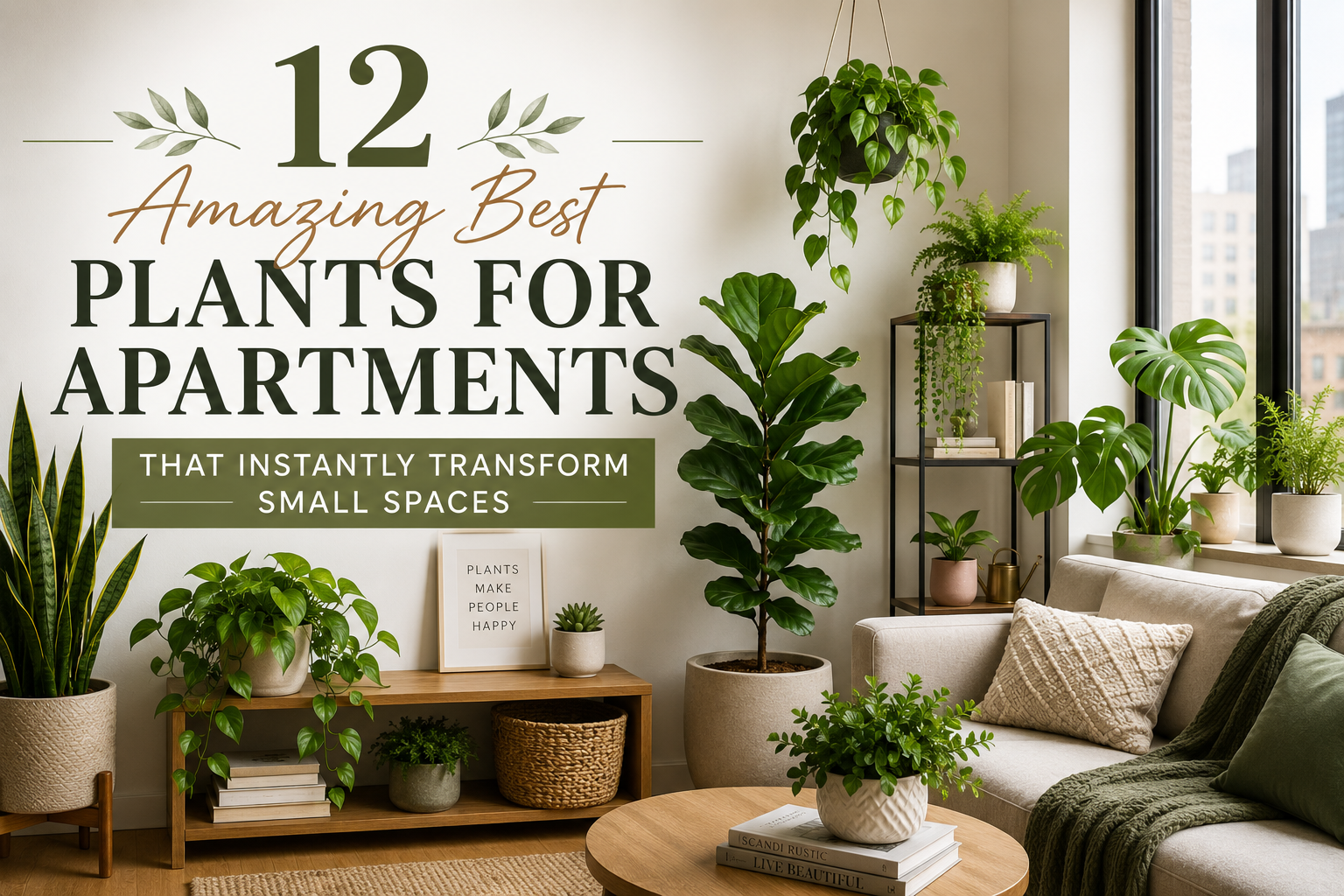
A small living space doesn’t mean you have to give up on creating a lush, relaxing indoor environment. In fact, the best plants for apartments can completely transform even the smallest home into a welcoming green retreat. Whether you live in a sunny studio, a cozy one-bedroom apartment, or a compact city loft, the right houseplants add beauty, improve air quality, and bring a sense of calm to everyday life.
The secret is choosing plants that match your apartment’s lighting, humidity, and available space. Some thrive in low light areas, while others love bright windows or humid bathrooms. Many modern indoor plants also require very little maintenance, making them perfect for busy lifestyles or beginner plant owners.
Experts, including plant specialists like Joyce Mast from Bloomscape, often recommend selecting plants based on your home’s environment rather than simply choosing what looks attractive. A healthy plant that suits your apartment will stay beautiful for years with minimal effort.
In this guide, you’ll discover how to choose the right apartment plants before exploring these 12 Amazing Best Plants for Apartments That Instantly Transform Small Spaces.
Why Apartment Plants Are More Than Just Decore
Plants do much more than fill an empty corner. They create healthier, more inviting living spaces while adding natural texture and color that furniture alone cannot provide.
Many apartment dwellers spend most of their day indoors. Adding greenery helps soften modern interiors filled with concrete, glass, and electronics. Even one well-placed plant can make a room feel warmer and more comfortable.
Some benefits include:
- Improve indoor air quality
- Create a calming atmosphere
- Increase visual appeal
- Add natural color year-round
- Make small apartments feel more vibrant
- Help define different living areas
- Complement minimalist or modern décor
Plants also encourage mindful routines. Watering, pruning, and observing new growth can become enjoyable habits that reduce everyday stress.
Another advantage is flexibility. Unlike large furniture pieces, plants can easily move with you if you relocate. Whether placed on window sills, floating shelves, side tables, or hanging planters, greenery adapts to changing apartment layouts.
If your goal is creating a green oasis apartment without sacrificing valuable floor space, choosing the right plants is one of the easiest upgrades you can make.
How to Choose the Best Plants for Apartments
Not every beautiful plant will thrive inside an apartment. Before purchasing one, evaluate your home’s growing conditions carefully.
A little planning saves both money and frustration while helping your plants stay healthy for years.
Consider Your Apartment’s Natural Light
Light is the single most important factor when choosing indoor plants.
Walk through your apartment throughout the day and observe how sunlight changes.
Generally, apartments fall into one of these categories:
| Light Condition | Best Plant Types |
| Bright direct sunlight | Aloe, Cactus, Ponytail Palm |
| Bright indirect light | Monstera, Philodendron Brasil |
| Medium light | Bird’s Nest Fern, Prayer Plant |
| Low light areas | Snake Plant, ZZ Plant, Silver Pothos |
South-facing windows usually receive the most sunlight.
East-facing windows provide gentle morning light that’s ideal for many tropical plants.
North-facing apartments often require plants that tolerate shade well.
If you live in a dark basement apartment, don’t worry. Several attractive houseplants naturally grow beneath forest canopies and adapt well to limited sunlight.
Match Plants to Humidity Levels
Humidity often varies from room to room.
Bathrooms usually have naturally high moisture levels due to hot showers, while bedrooms and living rooms tend to remain much drier.
Understanding your apartment’s humidity helps you choose plants that naturally flourish.
High-humidity lovers include:
- Bird’s Nest Fern
- Red Prayer Plant
- Monstera
- Philodendron Brasil
Plants that tolerate dry indoor air include:
- Hedgehog Aloe
- Snake Plant
- ZZ Plant
- Ponytail Palm
- Cactus
If your apartment becomes especially dry during winter, placing plants together can create a slightly more humid microclimate.
Bathrooms with windows are excellent locations for tropical species that enjoy extra moisture.
Think About Available Space
Living in a small apartment means every square foot matters.
Fortunately, many beautiful plants fit comfortably into compact homes without making rooms feel crowded.
For tiny apartments, consider:
- Hanging baskets
- Floating shelves
- Narrow plant stands
- Wall-mounted planters
- Window sill displays
These options maximize vertical space while keeping floors clear.
If you’re decorating a small apartment, mixing plant sizes creates visual interest. Pair a tall statement plant in one corner with trailing vines on shelves and compact succulents on coffee tables.
This layered approach makes the apartment feel intentionally designed rather than overcrowded.
Don’t overlook vertical gardening indoor solutions. Wall planters and hanging systems allow you to grow more greenery without sacrificing precious living space.
Choose a Maintenance Level That Fits Your Lifestyle
One of the biggest reasons apartment plants fail is unrealistic expectations.
If you’re frequently away from home or simply forget to water plants, choose species that tolerate occasional neglect.
Low-maintenance apartment plants include:
- Snake Plant
- ZZ Plant
- Cactus
- Hedgehog Aloe
- Silver Pothos
- Ponytail Palm
These varieties can often go several weeks between waterings.
If you enjoy regular plant care, tropical varieties like Bird’s Nest Fern or Red Prayer Plant reward consistent attention with lush foliage and vibrant growth.
Also think about:
- How often you’ll water
- Whether your apartment receives seasonal sunlight changes
- If you have pets that might chew leaves
- Whether you’ll move apartments soon
Selecting plants that fit your routine—not the other way around—leads to long-term success.
Many first-time plant owners begin with one or two easy-care plants before expanding into a larger indoor collection.
The result is a healthier home filled with thriving greenery instead of struggling plants.
Expert Tip
According to plant experts at Bloomscape, it’s better to purchase a plant that naturally matches your home’s conditions than to constantly modify your environment for a difficult species. Start with resilient plants, observe how they perform, and gradually introduce more specialized varieties as your confidence grows.
For more indoor plant care tips, visit the Royal Horticultural Society: https://www.rhs.org.uk
It Works
- Compact and space-saving
- Drought tolerant
- Excellent for beginners
- Adds modern architectural style
- Thrives in bright indoor locations
Best Room
Living room, kitchen, or any bright window with several hours of sunlight.
Care Guide
| Requirement | Recommendation |
| Light | Bright direct sunlight |
| Water | Every 2–3 weeks |
| Humidity | Low |
| Growth Rate | Slow |
Designer Tip: Pair a Hedgehog Aloe with neutral ceramic pots to create a clean Scandinavian-inspired look.
Cactus
A cactus is one of the easiest low-maintenance apartment plants you can own. Its unique shapes and sculptural appearance complement modern, industrial, and minimalist interiors alike.
Because cacti naturally grow in desert climates, they require very little water and flourish in apartments with bright sunshine.
Why It Works
- Extremely easy to maintain
- Ideal for sunny apartments
- Perfect for busy lifestyles
- Available in many decorative varieties
- Long lifespan
Best Room
South-facing windows, home offices, or sunny kitchens.
Care Guide
| Requirement | Recommendation |
| Light | Bright direct sunlight |
| Water | Every 3–4 weeks |
| Humidity | Low |
| Growth Rate | Slow |
Designer Tip: Display several small cacti together in matching pots to create an attractive centerpiece without taking up much space.
Ponytail Palm
Despite its name, the Ponytail Palm isn’t actually a palm tree. It’s a succulent with a bulb-shaped trunk that stores water and long cascading leaves that resemble a ponytail.
Its sculptural form makes it one of the best plants for apartments, especially for homeowners looking to add height without overwhelming a room.
Why It Works
- Slow-growing
- Requires infrequent watering
- Fits narrow corners
- Makes an excellent statement plant
- Very beginner friendly
Best Room
Living room corners, sunny studios, or beside large windows.
Care Guide
| Requirement | Recommendation |
| Light | Bright indirect to direct light |
| Water | Every 2–3 weeks |
| Humidity | Low |
| Growth Rate | Slow |
Designer Tip: Place the Ponytail Palm in a woven basket planter to soften modern interiors and add natural warmth.
Red Prayer Plant
If you’re searching for colorful indoor plants, the Red Prayer Plant is a beautiful option. Its deep green leaves feature striking red veins, while the undersides display rich burgundy tones.
One of its most fascinating characteristics is that the leaves fold upward during the evening, resembling hands in prayer.
Why It Works
- Beautiful colorful foliage
- Compact growth
- Great conversation piece
- Excellent for humid environments
- Adds tropical charm
Best Room
A bright bathroom habitat, bedroom, or living room with indirect sunlight.
Care Guide
| Requirement | Recommendation |
| Light | Medium to bright indirect light |
| Water | Keep soil lightly moist |
| Humidity | High |
| Growth Rate | Moderate |
Because this plant enjoys extra moisture, it’s considered one of the best high humidity bathroom plants.
Designer Tip: Group the Red Prayer Plant with other tropical plants to create a lush indoor jungle effect.
Silver Pothos
The Silver Pothos is one of the most versatile houseplants for apartment living. Its silver-speckled leaves and trailing vines create a soft, elegant appearance while requiring very little care.
It adapts to various lighting conditions, including low light areas, making it ideal for apartments that don’t receive abundant sunshine.
Why It Works
- Tolerates lower light
- Fast-growing
- Perfect hanging plant
- Easy to propagate
- Great for beginners
Best Room
Bookshelves, floating shelves, bedrooms, or home offices.
Care Guide
| Requirement | Recommendation |
| Light | Low to bright indirect light |
| Water | Water when the top inch of soil is dry |
| Humidity | Medium |
| Growth Rate | Fast |
Silver Pothos is also one of the best trailing plants for shelves, adding movement and softness to compact interiors.
Designer Tip: Let the vines cascade naturally from hanging baskets or train them along a decorative wall trellis for an elegant vertical gardening indoor display.
Philodendron Brasil
The Philodendron Brasil is admired for its heart-shaped leaves featuring vibrant green and lime variegation. Its colorful foliage instantly brightens apartment interiors and creates a tropical atmosphere without demanding constant attention.
This adaptable plant grows well in hanging baskets, shelves, or decorative plant stands, making it ideal for renters and homeowners alike.
Why It Works
- Fast-growing
- Attractive variegated foliage
- Beginner friendly
- Adaptable to indoor environments
- Perfect for small apartments
Best Room
Living room, bedroom, home office, or bright hallway.
Care Guide
| Requirement | Recommendation |
| Light | Bright indirect light |
| Water | Once the top layer of soil begins to dry |
| Humidity | Medium to High |
| Growth Rate | Fast |
To maintain its vibrant leaf color, place it near a bright window where it receives filtered sunlight throughout the day.
Designer Tip: Combine Philodendron Brasil with larger leafy plants to create layered greenery that makes your apartment feel like a natural retreat.
Quick Comparison Table
| Plant | Light Requirement | Water Needs | Best Location | Difficulty |
| Hedgehog Aloe | Bright direct sun | Low | Sunny windowsill | Easy |
| Cactus | Bright direct sun | Very low | Kitchen or office | Very Easy |
| Ponytail Palm | Bright indirect light | Low | Living room corner | Easy |
| Red Prayer Plant | Medium indirect light | Moderate | Bathroom or bedroom | Moderate |
| Silver Pothos | Low to bright indirect | Moderate | Shelves or hanging baskets | Easy |
| Philodendron Brasil | Bright indirect light | Moderate | Living room or office | Easy |
These six varieties prove that the best plants for apartments can be both stylish and practical. Whether you need low-maintenance apartment plants, decorative window sill plants, or elegant trailing vines, these options bring life and personality to any apartment without demanding extensive care.
Bird’s Nest Fern
The Bird’s Nest Fern is a tropical favorite known for its bright green, wavy fronds that grow in a graceful rosette. Unlike traditional ferns with delicate leaves, this variety has broad, glossy foliage that instantly adds texture and freshness to any room.
If you’re looking for the best plants for apartments that thrive in humid conditions, the Bird’s Nest Fern is an excellent choice. It naturally grows beneath rainforest canopies, so it prefers filtered light and higher humidity instead of harsh sunshine.
Why It Works
- Lush tropical appearance
- Excellent for high humidity bathroom plants
- Compact growth habit
- Improves indoor ambiance
- Pet-friendly for most households
Best Room
Bathrooms with natural light, bedrooms, or living rooms with bright indirect light.
Care Guide
| Requirement | Recommendation |
| Light | Bright indirect light |
| Water | Keep soil consistently moist but not soggy |
| Humidity | High |
| Growth Rate | Moderate |
Designer Tip: Place the Bird’s Nest Fern in a woven basket or ceramic planter to create a spa-inspired bathroom or bedroom retreat.
Snake Plant (Sansevieria)
The Snake Plant, also known as Sansevieria, remains one of the most popular low-maintenance apartment plants. Its upright sword-shaped leaves require minimal care while adding height and elegance to compact interiors.
This hardy plant tolerates neglect better than almost any other houseplant, making it ideal for beginners and busy professionals.
Why It Works
- Thrives in low light areas
- Requires little watering
- Fits narrow spaces
- Excellent air-purifying reputation
- Extremely durable
Best Room
Bedroom, hallway, office, or dark apartment corners.
Care Guide
| Requirement | Recommendation |
| Light | Low to bright indirect light |
| Water | Every 2–4 weeks |
| Humidity | Low to medium |
| Growth Rate | Slow |
Designer Tip: Position a tall Snake Plant beside a sofa or entryway to create vertical interest without occupying much floor space.
ZZ Plant
The ZZ Plant is one of the easiest indoor plants to grow, especially in apartments with limited sunlight. Its glossy dark green leaves reflect light beautifully, making even small rooms feel brighter and more inviting.
Because the plant stores water in underground rhizomes, it easily tolerates missed waterings.
Why It Works
- Excellent for dark basement apartments
- Extremely drought tolerant
- Glossy decorative foliage
- Slow-growing and compact
- Beginner friendly
Best Room
Home office, bedroom, hallway, or living room with indirect light.
Care Guide
| Requirement | Recommendation |
| Light | Low to medium indirect light |
| Water | Every 2–3 weeks |
| Humidity | Average |
| Growth Rate | Slow |
Designer Tip: Use matching white or matte black pots to emphasize the plant’s rich green foliage in modern interiors.
Areca Palm
If you want a tropical statement piece without overwhelming your apartment, the Areca Palm is a wonderful option. Its feathery fronds soften modern interiors while creating a relaxing vacation-like atmosphere.
Despite its full appearance, the Areca Palm grows upright, making it one of the best large plants for small rooms.
Why It Works
- Elegant tropical appearance
- Creates natural privacy
- Brightens empty corners
- Adds movement and texture
- Safe for many homes with pets
Best Room
Living room corners, dining areas, or near bright windows.
Care Guide
| Requirement | Recommendation |
| Light | Bright indirect light |
| Water | Keep soil lightly moist |
| Humidity | Medium to high |
| Growth Rate | Moderate |
Designer Tip: Pair an Areca Palm with smaller tabletop plants to create a layered indoor garden without making the room feel crowded.
Fiddle Leaf Fig
The Fiddle Leaf Fig has become one of the most recognizable designer houseplants. Its large violin-shaped leaves make a bold statement while bringing sophistication to apartment interiors.
Although it requires a little more attention than some beginner plants, many apartment owners find the dramatic appearance well worth the effort.
Why It Works
- Bold architectural foliage
- Popular in modern interior design
- Excellent focal point
- Creates height in small rooms
- Long-lasting indoor plant
Best Room
Bright living rooms or sunny studios with consistent indirect light.
Care Guide
| Requirement | Recommendation |
| Light | Bright indirect sunlight |
| Water | Water when the top few inches of soil become dry |
| Humidity | Medium |
| Growth Rate | Moderate |
Avoid moving the plant frequently, as sudden changes in lighting can cause leaf drop.
Designer Tip: Place the Fiddle Leaf Fig beside a sofa, reading chair, or large window to create a striking focal point.
Monstera
Known for its iconic split leaves, the Monstera instantly gives apartments a tropical, designer-inspired feel. Its dramatic foliage complements nearly every decorating style, from Scandinavian to bohemian interiors.
Despite its exotic appearance, Monstera is surprisingly easy to care for.
Why It Works
- Large decorative leaves
- Fast-growing
- Adaptable to indoor conditions
- Excellent statement plant
- Ideal for modern apartments
Best Room
Living room, dining room, or bright home office.
Care Guide
| Requirement | Recommendation |
| Light | Bright indirect light |
| Water | When the top 2 inches of soil become dry |
| Humidity | Medium to high |
| Growth Rate | Fast |
Providing a moss pole encourages healthy upward growth while producing larger, more dramatic leaves.
Designer Tip: Let your Monstera become the centerpiece of the room by pairing it with simple furniture and neutral décor.
Apartment Styling Ideas
Adding greenery is about more than simply placing pots around your home. Thoughtful styling helps even a small apartment feel spacious, organized, and welcoming.
Here are a few ideas to maximize both style and space:
Create Plant Layers
Mix tall floor plants like the Areca Palm with medium-sized plants such as Monstera and trailing plants like Silver Pothos. Layering creates depth and makes your apartment feel professionally styled.
Use Vertical Space
Install floating shelves or wall-mounted planters for vertical gardening indoor. This keeps the floor open while allowing you to display more greenery.
Decorate Window Sills
Bright window sill plants like Hedgehog Aloe and Cactus thrive in sunny locations while adding charm to otherwise unused spaces.
Mix Different Leaf Shapes
Combine upright Snake Plants, broad Monstera leaves, delicate Bird’s Nest Ferns, and trailing Philodendron Brasil to create visual contrast.
Choose Decorative Planters
Coordinating pots in ceramic, terracotta, or woven baskets helps unify your apartment’s décor and makes your plant collection look intentional.
Room-by-Room Recommendations
Choosing plants based on each room’s conditions increases their chances of thriving.
| Room | Recommended Plants |
| Living Room | Monstera, Fiddle Leaf Fig, Areca Palm |
| Bedroom | Snake Plant, ZZ Plant, Bird’s Nest Fern |
| Bathroom | Bird’s Nest Fern, Red Prayer Plant |
| Kitchen | Hedgehog Aloe, Cactus |
| Home Office | ZZ Plant, Silver Pothos, Philodendron Brasil |
| Sunny Studio | Monstera, Ponytail Palm, Fiddle Leaf Fig |
| Dark Basement Apartment | Snake Plant, ZZ Plant, Silver Pothos |
For bedrooms, choose calming greenery like Snake Plants or ZZ Plants that tolerate lower light and require minimal care.
Bathrooms with higher humidity naturally support tropical varieties such as Bird’s Nest Fern and Red Prayer Plant.
Living rooms benefit from larger statement plants like Monstera or Areca Palm, while kitchens often provide bright windows that are ideal for succulents and cacti.
By matching each plant to the environment it prefers, you’ll enjoy healthier growth, easier maintenance, and a beautiful indoor garden that enhances every corner of your apartment.
12 Best Plants for Apartments
The second half of our list features six stunning houseplants that can elevate any small apartment with their lush foliage, easy care, and versatility. Whether you have a sunny studio, a cozy bedroom, or a dark basement apartment, these plants offer practical solutions for every living space. Many of them are also excellent low-maintenance apartment plants, making them perfect for beginners and experienced plant lovers alike.
Bird’s Nest Fern
The Bird’s Nest Fern is loved for its bright green, wavy fronds that grow from a central rosette, resembling a bird’s nest. Unlike delicate ferns, this variety has sturdy, glossy leaves that instantly brighten indoor spaces with a tropical touch.
Native to humid forests, this fern thrives in environments with consistent moisture and indirect light, making it an excellent choice for apartments with naturally humid rooms.
Why It Works
- Adds lush tropical texture
- Perfect for high humidity bathroom plants
- Compact enough for plants for small spaces
- Pet-friendly in most households
- Creates a relaxing spa-like atmosphere
Best Room
Bathrooms, bedrooms, or living rooms with bright indirect sunlight.
Care Tips
- Keep the soil evenly moist but never waterlogged.
- Avoid direct afternoon sunlight, which can scorch the leaves.
- Increase humidity by misting occasionally or placing the pot on a pebble tray.
- Remove damaged fronds to encourage healthy new growth.
| Requirement | Recommendation |
| Light | Bright indirect light |
| Water | Keep soil lightly moist |
| Humidity | High |
| Difficulty | Moderate |
Designer Tip: Place a Bird’s Nest Fern in a woven basket on a bathroom shelf to create a luxurious spa-inspired retreat.
Snake Plant (Sansevieria)
The Snake Plant, also known as Sansevieria, has earned its reputation as one of the best plants for apartments because of its incredible durability. Its upright sword-like leaves add height and elegance while requiring almost no maintenance.
If your apartment has low light areas, this plant is one of the safest choices. It tolerates neglect, irregular watering, and varying indoor temperatures better than most houseplants.
Why It Works
- Excellent for beginners
- Thrives in low light
- Needs very little water
- Fits narrow corners and hallways
- Modern architectural appearance
Best Room
Bedroom, hallway, home office, or any room with indirect light.
Care Tips
- Allow the soil to dry completely between waterings.
- Rotate the plant every few weeks for even growth.
- Avoid overwatering, especially during winter.
- Dust the leaves occasionally to keep them healthy.
| Requirement | Recommendation |
| Light | Low to bright indirect light |
| Water | Every 2–4 weeks |
| Humidity | Low to medium |
| Difficulty | Easy |
Designer Tip: Use tall Snake Plants beside sofas or entertainment units to add vertical interest without taking up much floor space.
ZZ Plant
The ZZ Plant is one of the toughest indoor plants available. Its glossy, dark green leaves remain attractive throughout the year, even in apartments with very little natural sunlight.
Because it stores water in underground rhizomes, the ZZ Plant tolerates occasional neglect, making it an ideal option for busy apartment dwellers.
Why It Works
- Excellent for dark basement apartments
- Extremely drought tolerant
- Glossy decorative foliage
- Compact growth
- One of the easiest houseplants to maintain
Best Room
Bedroom, office, hallway, or living room with indirect light.
Care Tips
- Water only when the soil feels completely dry.
- Keep away from prolonged direct sunlight.
- Use a well-draining potting mix.
- Wipe the leaves occasionally to maintain their natural shine.
| Requirement | Recommendation |
| Light | Low to medium indirect light |
| Water | Every 2–3 weeks |
| Humidity | Average |
| Difficulty | Very Easy |
Designer Tip: Display the ZZ Plant in matte black or white ceramic pots to complement contemporary apartment interiors.
Areca Palm
If you’re searching for large plants for small rooms, the Areca Palm is a fantastic choice. Its graceful, feathery fronds create a soft tropical look while maintaining a relatively narrow footprint.
This plant works beautifully as a living room focal point and instantly makes apartments feel brighter and more inviting.
Why It Works
- Elegant tropical appearance
- Softens modern interiors
- Excellent statement plant
- Helps create a relaxing atmosphere
- Suitable for apartments with bright indirect light
Best Room
Living room corners, dining areas, or bright home offices.
Care Tips
- Water when the top inch of soil begins to dry.
- Keep away from cold drafts.
- Increase humidity if indoor air becomes too dry.
- Fertilize lightly during spring and summer.
| Requirement | Recommendation |
| Light | Bright indirect light |
| Water | Moderate |
| Humidity | Medium to high |
| Difficulty | Easy |
Designer Tip: Pair an Areca Palm with smaller tabletop plants to create a layered indoor garden that feels balanced and inviting.
Fiddle Leaf Fig
The Fiddle Leaf Fig is famous for its oversized violin-shaped leaves and elegant appearance. Frequently featured in interior design magazines, it has become a favorite among apartment decorators looking to make a bold statement.
Although it requires a little more attention than some beginner plants, the results are well worth the effort.
Why It Works
- Dramatic architectural foliage
- Stylish designer favorite
- Creates an impressive focal point
- Perfect for bright apartments
- Long-lasting with proper care
Best Room
Living room, sunny studio, or bright home office.
Care Tips
- Place near a bright window with filtered sunlight.
- Water only when the top two inches of soil are dry.
- Avoid moving the plant frequently.
- Rotate every few weeks for even growth.
| Requirement | Recommendation |
| Light | Bright indirect sunlight |
| Water | Moderate |
| Humidity | Medium |
| Difficulty | Moderate |
Designer Tip: A Fiddle Leaf Fig placed beside a reading chair instantly transforms an empty corner into a sophisticated focal point.
Monstera
No list of the best plants for apartments is complete without the iconic Monstera. Its large split leaves bring bold tropical style to any home while remaining surprisingly easy to maintain.
Monstera grows quickly in the right conditions and becomes an eye-catching centerpiece that complements modern, Scandinavian, and bohemian interiors alike.
Why It Works
- Iconic split leaves
- Fast-growing
- Excellent statement plant
- Adaptable to indoor conditions
- Creates a lush indoor jungle feel
Best Room
Living room, dining room, or bright apartment corner.
Care Tips
- Provide bright indirect light.
- Water when the top two inches of soil become dry.
- Support climbing stems with a moss pole.
- Clean leaves regularly to remove dust.
| Requirement | Recommendation |
| Light | Bright indirect light |
| Water | Moderate |
| Humidity | Medium to high |
| Difficulty | Easy |
Designer Tip: Pair Monstera with minimalist furniture and neutral décor to let its dramatic foliage become the star of the room.
Apartment Styling Ideas
The right arrangement can make even a tiny apartment feel fresh, stylish, and spacious. Instead of scattering plants randomly, create intentional displays that highlight your home’s best features.
Create Different Heights
Mix tall plants like the Areca Palm or Fiddle Leaf Fig with medium-sized plants and trailing vines such as Silver Pothos. This layered approach creates visual balance without cluttering the room.
Take Advantage of Vertical Space
Install floating shelves or hanging planters to practice vertical gardening indoor. Using walls instead of floor space allows you to enjoy more greenery while keeping walkways open.
Decorate Window Sills
Bright window sill plants like Hedgehog Aloe, Cactus, and Ponytail Palm thrive in sunny windows while adding natural charm.
Group Plants Together
Placing several plants together creates a small indoor ecosystem with slightly higher humidity, which benefits tropical species like Bird’s Nest Fern and Monstera.
Match Planters to Your Décor
Use ceramic pots for modern interiors, woven baskets for boho designs, or terracotta planters for a timeless natural look.
Room-by-Room Recommendations
Different rooms provide different growing conditions. Choosing the right plant for each space helps it thrive while enhancing your apartment’s design.
| Room | Recommended Plants |
| Living Room | Monstera, Fiddle Leaf Fig, Areca Palm |
| Bedroom | Snake Plant, ZZ Plant, Bird’s Nest Fern |
| Bathroom | Bird’s Nest Fern, Red Prayer Plant |
| Kitchen | Hedgehog Aloe, Cactus |
| Home Office | ZZ Plant, Silver Pothos, Philodendron Brasil |
| Sunny Studio | Monstera, Ponytail Palm, Fiddle Leaf Fig |
| Dark Basement Apartment | Snake Plant, ZZ Plant, Silver Pothos |
For bedrooms, choose calming plants that tolerate lower light, such as the Snake Plant or ZZ Plant. Bathrooms naturally suit tropical species because of their higher humidity levels. Living rooms benefit from larger statement plants that create visual impact, while kitchens often provide sunny windows perfect for succulents and cacti.
By selecting plants according to each room’s environment, you’ll enjoy healthier growth, easier maintenance, and a beautiful green oasis apartment that feels vibrant throughout the year.
Best Plants for Low-Light Apartments
Not every apartment is filled with bright sunshine, and that’s perfectly okay. Many beautiful houseplants naturally grow beneath forest canopies, making them well-suited for low light areas. If you live in a dark basement apartment or a home with north-facing windows, these resilient plants will still thrive with minimal natural light.
Top Low-Light Apartment Plants
| Plant | Why It’s Great |
| Snake Plant (Sansevieria) | Extremely tolerant of low light and irregular watering. |
| ZZ Plant | Glossy foliage that grows well in shaded rooms. |
| Silver Pothos | Adaptable trailing vine that brightens shelves and corners. |
| Philodendron Brasil | Colorful leaves with excellent shade tolerance. |
| Red Prayer Plant | Performs well in filtered light and humid environments. |
Tips for Growing Plants in Low Light
- Rotate plants every few weeks for even growth.
- Clean leaves regularly so they absorb more light.
- Avoid overwatering, as soil dries more slowly in darker spaces.
- If needed, supplement with an LED grow light during winter.
Even a low-light apartment can become a vibrant indoor garden when you choose plants suited to the environment.
Pet-Friendly Indoor Plants
If you share your apartment with curious cats or playful dogs, selecting pet-safe greenery is just as important as choosing attractive plants. While many common indoor plants are safe, others can be toxic if chewed.
Generally Pet-Friendly Plants
- Bird’s Nest Fern
- Areca Palm
- Ponytail Palm
- Hedgehog Aloe (keep out of reach, as aloe can cause mild digestive upset if ingested by pets)
- Prayer Plant
Plants to Keep Away from Pets
- Monstera
- Philodendron Brasil
- Silver Pothos
- Snake Plant
- ZZ Plant
If your pets enjoy chewing leaves, consider placing non-pet-safe plants in hanging baskets, on floating shelves, or in rooms they cannot access.
Tip: Always verify a plant’s safety with your veterinarian or a trusted pet poison resource before bringing it home.
Common Apartment Plant Care Mistakes
Even the best plants for apartments can struggle if they’re not given the proper care. Fortunately, most common problems are easy to avoid.
1. Overwatering
The number one reason indoor plants die is too much water.
Instead of watering on a fixed schedule, check the soil first. Most apartment plants prefer the top inch or two of soil to dry before watering again.
2. Ignoring Light Requirements
A cactus placed in a dark hallway won’t thrive, while a Bird’s Nest Fern may suffer in intense afternoon sun.
Always match the plant to your apartment’s lighting conditions.
3. Using the Wrong Pot
Decorative containers without drainage holes trap excess water and increase the risk of root rot.
Choose pots with drainage or use an inner nursery pot.
4. Forgetting Humidity
Tropical plants appreciate higher humidity levels, especially during winter when indoor heating dries the air.
Grouping plants together or using a pebble tray helps maintain moisture.
5. Neglecting Dusty Leaves
Dust blocks sunlight from reaching the leaves.
Wipe foliage gently every few weeks using a damp microfiber cloth.
6. Choosing Plants That Outgrow the Space
Some plants become much larger over time.
If you live in a small apartment, research the mature size before purchasing.
7. Fertilizing Too Much
More fertilizer doesn’t mean faster growth.
Feed plants only during their active growing season using a balanced houseplant fertilizer according to label directions.
Apartment Plant Care Comparison Table
The following table summarizes the care needs of the twelve plants featured in this guide.
| Plant | Light | Water | Humidity | Difficulty | Best Location |
| Hedgehog Aloe | Bright Sun | Low | Low | Easy | Sunny Window |
| Cactus | Bright Sun | Very Low | Low | Very Easy | Kitchen |
| Ponytail Palm | Bright Light | Low | Low | Easy | Living Room |
| Red Prayer Plant | Indirect | Moderate | High | Moderate | Bathroom |
| Silver Pothos | Low–Bright Indirect | Moderate | Medium | Easy | Shelves |
| Philodendron Brasil | Bright Indirect | Moderate | Medium | Easy | Hanging Basket |
| Bird’s Nest Fern | Bright Indirect | Moderate | High | Moderate | Bathroom |
| Snake Plant | Low–Bright | Low | Low | Easy | Bedroom |
| ZZ Plant | Low Light | Low | Average | Very Easy | Office |
| Areca Palm | Bright Indirect | Moderate | Medium | Easy | Living Room |
| Fiddle Leaf Fig | Bright Indirect | Moderate | Medium | Moderate | Sunny Corner |
| Monstera | Bright Indirect | Moderate | Medium | Easy | Living Room |
Frequently Asked Questions
1. What are the best plants for apartments with very little sunlight?
The best options include Snake Plant, ZZ Plant, Silver Pothos, Philodendron Brasil, and Red Prayer Plant. These plants tolerate low light areas and require minimal maintenance.
2. Which apartment plants require the least maintenance?
Cactus, Hedgehog Aloe, Snake Plant, Ponytail Palm, and ZZ Plant are among the easiest low-maintenance apartment plants because they need infrequent watering and adapt well to indoor conditions.
3. Which plants grow well in apartment bathrooms?
Bathrooms often have higher humidity, making them ideal for Bird’s Nest Fern, Red Prayer Plant, Monstera, and Philodendron Brasil.
4. Can I grow large plants in a small apartment?
Yes. Plants such as the Areca Palm, Monstera, and Fiddle Leaf Fig create impressive focal points while using relatively little floor space.
5. How often should I water apartment plants?
There is no universal schedule. Most plants should only be watered after the top layer of soil feels dry. Light, humidity, and season all affect watering frequency.
6. Which plants are best for beginners?
Snake Plant, ZZ Plant, Silver Pothos, Hedgehog Aloe, Ponytail Palm, and Cactus are excellent beginner-friendly choices because they tolerate occasional neglect.
7. What is the best place to display apartment plants?
Bright windows, floating shelves, hanging baskets, plant stands, and unused corners are Conclusion
Choosing the best plants for apartments doesn’t require a large home or years of gardening experience. With the right selection, even the smallest apartment can become a peaceful, refreshing retreat filled with natural beauty.
From resilient favorites like the Snake Plant and ZZ Plant to dramatic statement pieces such as the Monstera and Fiddle Leaf Fig, there’s a perfect plant for every lifestyle, lighting condition, and decorating style. Whether your apartment is flooded with sunshine or consists mostly of low light areas, you can create a thriving indoor garden by matching each plant to its ideal environment.
Remember to consider your home’s natural light, humidity level, available space, and maintenance preferences before bringing home a new plant. Small adjustments—such as using hanging planters, decorating window sills, or creating a green oasis apartment with layered foliage—can dramatically improve both your décor and your well-being.
Start with one or two easy-care plants, learn their needs, and gradually expand your collection. Over time, your apartment will become a vibrant, healthy space where beautiful houseplants flourish alongside your everyday life.
Final Thoughts
Adding indoor plants is one of the simplest and most affordable ways to transform an apartment. Whether you prefer compact succulents, elegant palms, or lush tropical foliage, the right greenery brings warmth, cleaner-looking interiors, and timeless style to every room. With these recommendations and care tips, you’re well on your way to creating a beautiful indoor oasis you’ll enjoy for years to come.
For additional plant care guidance, visit the Royal Horticultural Society (RHS): https://www.rhs.org.uk